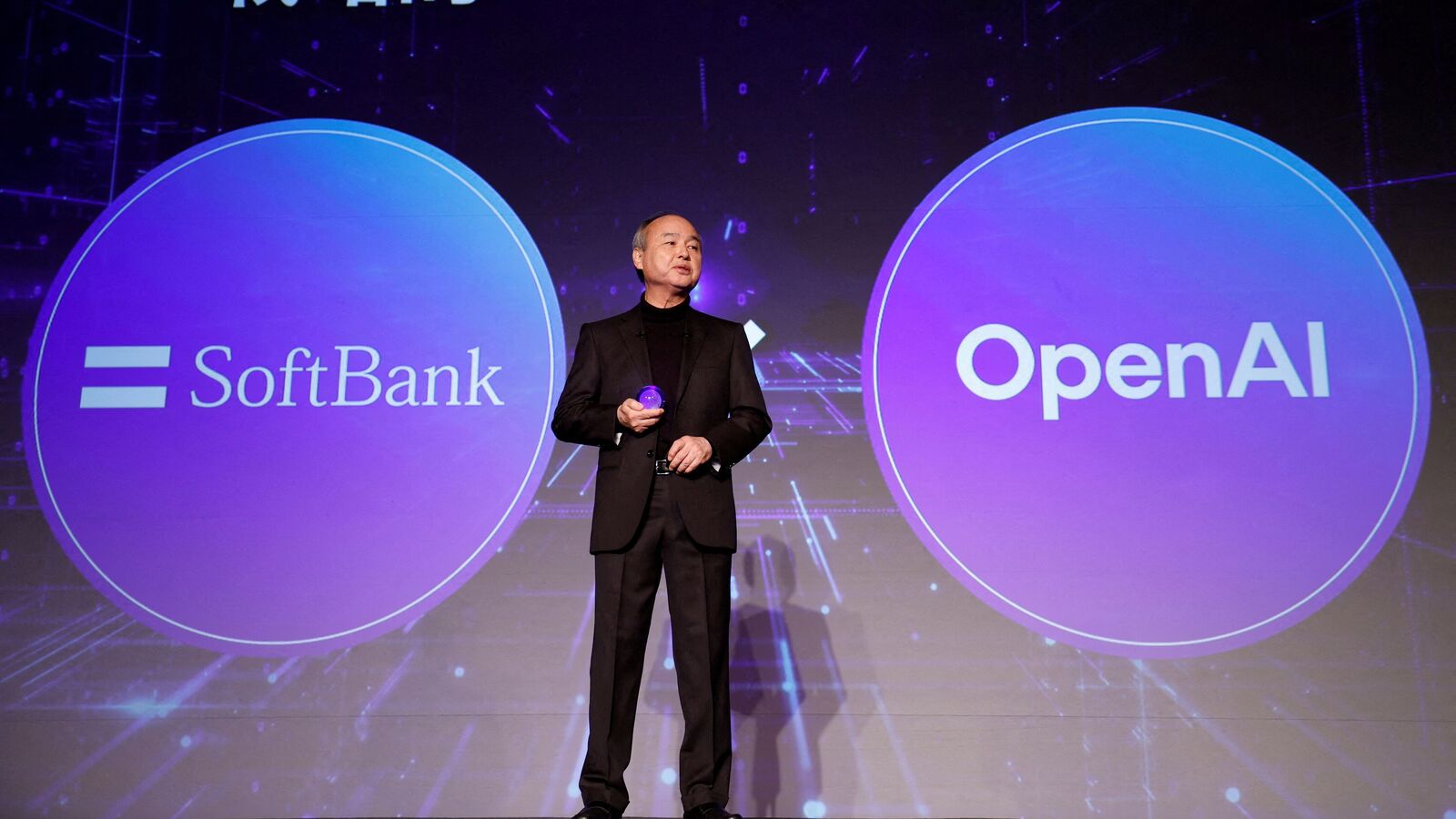
SoftBank Chief Executive Masayoshi Son has made an “all in” bet on OpenAI as part of a broader push to channel more capital into artificial intelligence and the infrastructure that supports it. This move reflects a clear strategic pivot for SoftBank, reasserting the company’s position at the center of rapid change in the tech landscape.
What the “all in” bet means
When a company like SoftBank signals an “all in” approach, it suggests more than a single deal. It points to a sustained strategy of deep financial commitments, partnerships and resources aimed at shaping the AI ecosystem. For Masayoshi Son, who built his reputation on bold, concentrated investments, the bet on OpenAI is consistent with his playbook: identify a technology with outsized transformative potential and back it heavily.
Why Son is doubling down on AI
- High growth potential: AI tools and platforms are being adopted across industries, from finance and healthcare to logistics and entertainment. That broad applicability promises sizable returns for early, large-scale backers.
- Strategic positioning: By backing leading AI projects, SoftBank gains influence over key technology suppliers and the direction of innovation.
- Portfolio alignment: SoftBank’s funds already include many tech companies; concentrating on AI helps knit those investments into a coherent ecosystem.
- Competitive necessity: As global tech giants and cloud providers race to build advanced AI stacks, major investors must either keep pace or risk losing relevance.
Where the investment focus may land
Investing in AI today often goes beyond buying into a single company. SoftBank’s approach is likely to cover several related areas:
- Core AI models and platforms: Funding model development, commercialization and partnerships to scale usage.
- Compute infrastructure: Building or financing data centers, GPU capacity and cloud services that power large models.
- Semiconductors and chips: Supporting the supply chain that delivers the specialized processors AI requires.
- Vertical applications: Backing startups that apply AI to particular industries, creating demand for core technology.
Risks and trade-offs
The high-reward strategy also carries well-known risks. SoftBank’s history includes both spectacular wins and painful setbacks, demonstrating the volatility of concentrated bets.
- Concentration risk: Committing a large share of capital to one technology or partner increases exposure if the market shifts.
- Valuation pressure: Rapid inflows of capital can inflate valuations, making exits harder if growth slows.
- Regulatory and ethical scrutiny: AI is attracting attention from policymakers and the public. Any major investor must navigate concerns about safety, bias and surveillance.
- Competition for talent and capacity: The race for specialized engineers and compute resources can drive costs up and slow deployment.
Implications for the broader industry
A well-capitalized backer like SoftBank doubling down on an AI leader could accelerate the industry in several ways:
- Faster commercialization: More funding and infrastructure can speed the transfer of research into products and services.
- Consolidation around platforms: Large investments may help a few platforms achieve scale, shaping standards and interoperability.
- Spur to ancillary markets: Increased demand for chips, data centers and enterprise AI tools benefits supply-chain companies and service providers.
Looking ahead
Masayoshi Son’s move marks a decisive moment in SoftBank’s strategy and signals how seriously major investors view AI’s transformative potential. If the bet pays off, SoftBank could strengthen its influence across a new technology stack and reap significant returns. If markets or regulations shift, the cost of being “all in” may become more evident.
Either way, the decision underscores a broader truth: the next phase of technological competition will be defined not only by algorithms, but by who controls the capital, compute and partnerships that bring those algorithms into the real world.