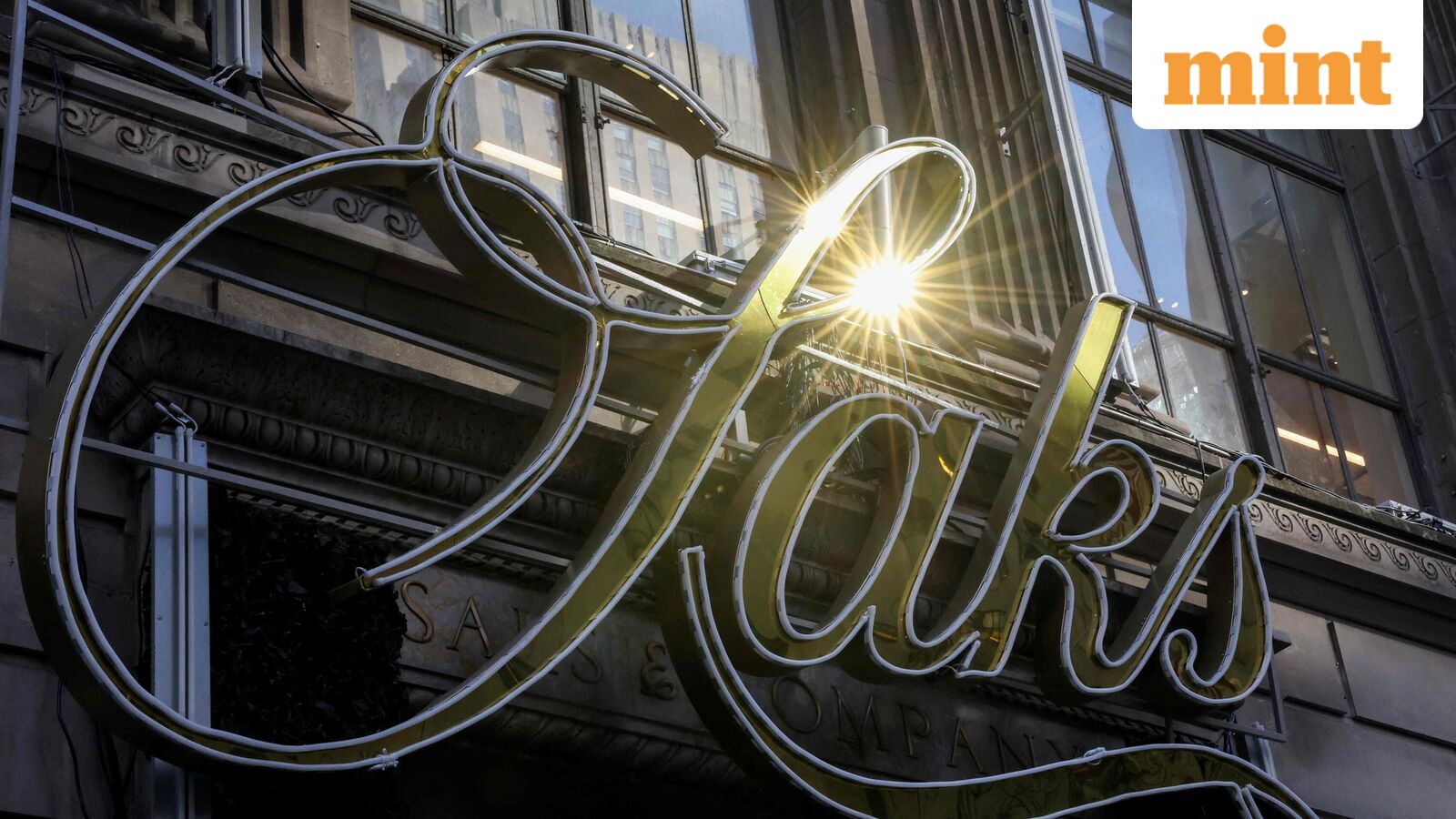
The slow fade of once-dominant retailers
Over the past few years, many long-standing, high-profile retail chains have struggled to keep up with the rise of big-box stores and online retailers. What once felt like a stable corner of the economy is now a landscape of store closures, shrinking footprints and boardroom upheaval. The shift is not just about price or convenience — it reflects deeper changes in technology, consumer habits and supply chains.
Why traditional retailers fell behind
1. Convenience and selection from online rivals
Online retailers offer vast assortments, fast search and one-click checkout. For many shoppers, the ability to compare prices, read reviews and get items delivered quickly replaced the need to visit a physical store. This convenience hit traditional retailers where they were most vulnerable: their slower inventory turnover and more limited assortment.
2. Price pressure from big-box chains
Big-box retailers use scale to drive down costs, which lets them offer lower prices on everyday items. They also lease and operate massive stores that spread fixed costs across high volumes. Traditional chains with higher per-store overhead found it hard to compete on price without sacrificing margins.
3. Slow adoption of digital and omnichannel strategies
Some legacy retailers were late to embrace omnichannel selling — integrating online, mobile and in-store experiences. Without a seamless blend of channels, they missed opportunities to retain customers who expect flexible shopping, such as curbside pickup, buy-online-pickup-in-store and easy returns.
4. Underinvestment in supply chain and technology
Modern retail depends on agile supply chains and data-driven inventory decisions. Firms that failed to modernize distribution networks, forecasting systems and last-mile logistics often faced stockouts, overstocks and slower delivery times — all of which erode customer trust.
5. Real estate and fixed-cost burdens
Large numbers of leased stores carry heavy fixed costs. As foot traffic declined, many chains found themselves locked into expensive leases they could not justify. This mismatch between overhead and shrinking sales accelerated closures and restructurings.
Consequences for workers, malls and communities
- Job losses and uncertainty: Store closures and reduced hours led to layoffs and fewer entry-level retail jobs in many communities.
- Mall and downtown decline: Anchor stores once drew shoppers to malls and main streets. Their shrinking presence has hurt smaller retailers and local economies that depended on that foot traffic.
- Smaller brands face new pressure: As large legacy chains contract, independent shops and niche brands must navigate shifting supplier terms and customer flows.
How some legacy retailers are responding
Not all traditional retailers are disappearing. Many are adapting by rethinking the role of their physical stores and leveraging new capabilities:
- Smaller, experience-focused stores: Reducing square footage while creating more engaging in-store experiences can draw customers back for services and discovery rather than plain transactions.
- Investing in omnichannel: Making it easy to move between online and offline — such as better mobile apps, in-store pickup and seamless returns — helps retain customers who value flexibility.
- Improving logistics: Upgrading warehouses, using micro-fulfillment centers and partnering with last-mile providers can speed delivery and lower costs.
- Private labels and curated assortments: Building exclusive brands and focusing on curated product mixes can differentiate retailers from commodity-driven competitors.
- Data and personalization: Using customer data to personalize offers and tailor inventory to local demand can boost relevance and sales.
Lessons for the future of retail
The retail landscape that emerges from this shakeout will reward agility, customer focus and efficient operations. Key takeaways include:
- Speed matters: Quick adaptation to consumer trends and rapid delivery options are central to competitiveness.
- Experience drives loyalty: Physical stores survive when they offer something online alone cannot — atmosphere, service, and immediacy.
- Technology is not optional: Investing in data, automation and digital channels is essential to meet modern expectations.
- Cost structure flexibility: Retailers with adaptable lease terms and lower fixed costs can better handle demand swings.
What consumers can expect
Shoppers will likely see a continued mix of fewer but smarter physical stores, faster delivery choices, and more personalized online experiences. Prices on some items may stabilize as competition settles, while unique in-store services and curated product lines become more common. Communities that lose large store anchors may see renewed efforts to repurpose spaces for mixed uses such as offices, entertainment or local retail incubators.
Outlook
The pivot away from traditional models is painful but creates opportunity. Retailers that combine strong physical presence with digital excellence, tighten operations and focus on customer value have a chance to thrive. The future of retail will not be a one-size-fits-all model; it will favor those who learn quickly, invest wisely and put the customer at the center of every decision.