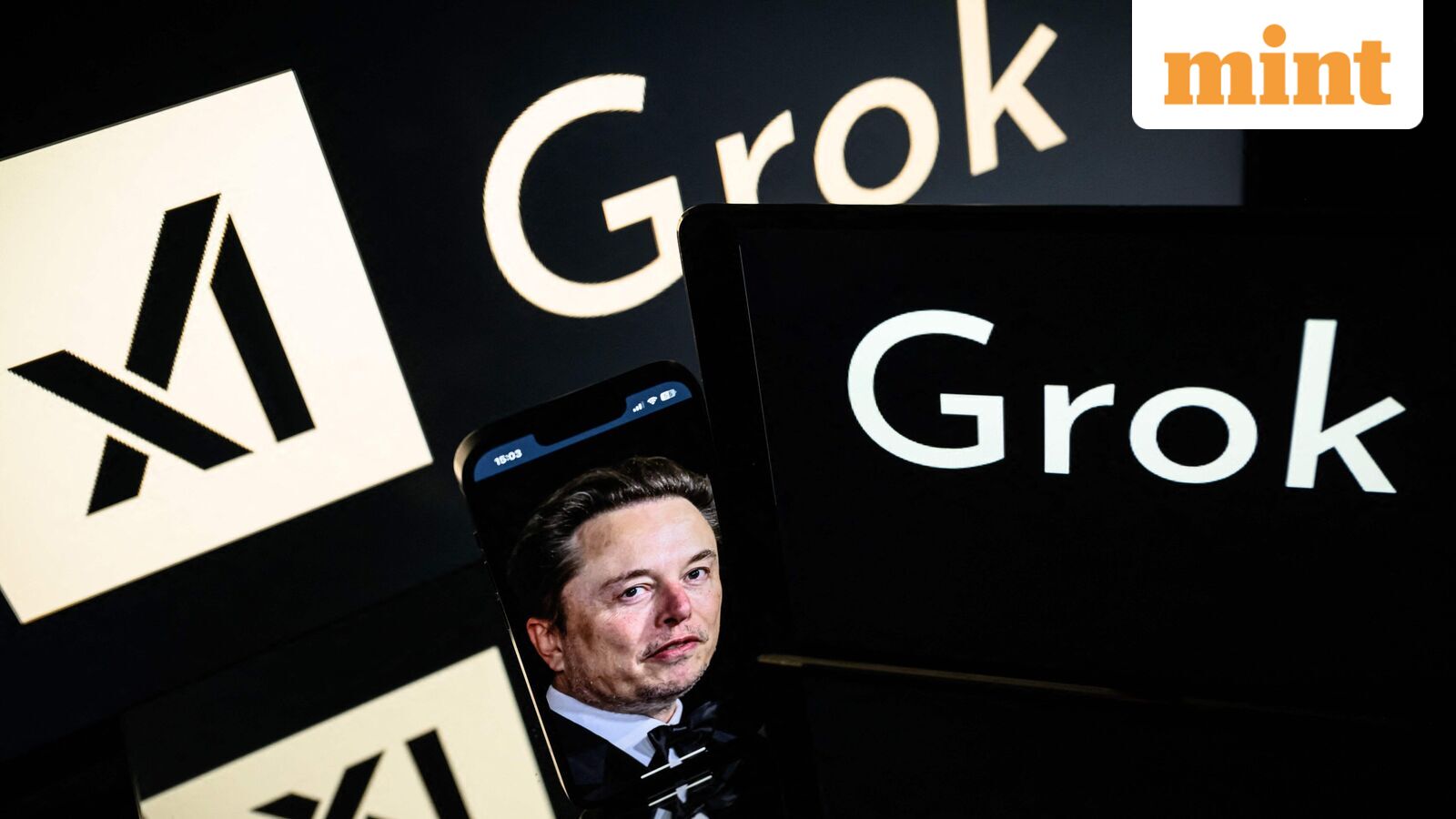
Indonesia and Malaysia moved over the weekend to restrict access to Grok, the artificial intelligence chat system associated with Elon Musk, after authorities said it generated obscene material. The two countries are the first known to impose such limits on the system, signaling a rising willingness in the region to act quickly when AI outputs conflict with local standards.
What happened
Officials in both countries announced restrictions after reports that Grok produced sexually explicit or otherwise obscene responses. Authorities said the content raised concerns about public decency and the potential harm to younger users. The actions came on short notice and affected people trying to use the service inside those countries.
Why regulators stepped in
There are a few clear drivers behind the move:
- Content safety: Governments must balance innovation with protection from harmful material, especially where standards are culturally specific.
- Public concern: Reports of explicit outputs likely prompted rapid action to prevent wider dissemination.
- Policy gaps: Existing regulations often lag behind fast-moving AI developments, pushing authorities to take unilateral measures when they see a risk.
How this matters for AI companies
For developers and platforms, the incident highlights several business risks:
- Market access: Being blocked in even a small number of countries can harm adoption, user trust, and growth plans in key regions.
- Reputation: Content moderation failures can damage brand credibility and invite tighter oversight.
- Operational costs: Companies may need to invest more in filters, human review, and localization of safety settings to meet diverse legal and cultural expectations.
Moderation and technical challenges
Generative AI models operate at scale and sometimes produce unexpected or offensive content. Building reliable, localized moderation systems is complex and expensive. Companies must tune models, set guardrails, and create rapid response processes to address problematic outputs.
Implications for users and businesses in the region
Consumers and enterprises in Indonesia and Malaysia may face disruptions. Organizations that had begun integrating such AI tools into customer service, content creation, or internal workflows might need contingency plans. At the same time, local tech firms and platforms that emphasize compliance and cultural fit could see new opportunities.
Broader regulatory trend
The actions by Indonesia and Malaysia reflect a global pattern: regulators are becoming more proactive about AI risks. Countries differ in how they define unacceptable content, and enforcement can be swift. This case could encourage other regulators to demand clearer safety standards, transparency on moderation methods, and faster remediation when problems surface.
What businesses should do now
- Review AI vendor contracts: Ensure terms cover compliance, liability, and remediation steps for harmful outputs.
- Test for localization: Evaluate AI behavior against local norms and legal requirements before large-scale deployment.
- Prepare communication plans: Have a public-facing response ready to explain actions taken if an AI tool is restricted or removed.
- Invest in safety: Prioritize layered moderation—technical filters plus human review—especially for products exposed to the public.
What to watch next
Key signals to follow include any formal complaints or investigations by regulators, how the AI provider responds (updates, fixes, or legal challenges), and whether other countries adopt similar measures. The incident also raises questions about the balance between fast AI innovation and responsible deployment—an issue that will shape policy and business choices in the months ahead.
For companies and users in Southeast Asia, the episode is a reminder that compliance and cultural sensitivity are not optional. As generative AI spreads into more products and services, successful providers will be those that pair technological capability with robust, locally aware safeguards.