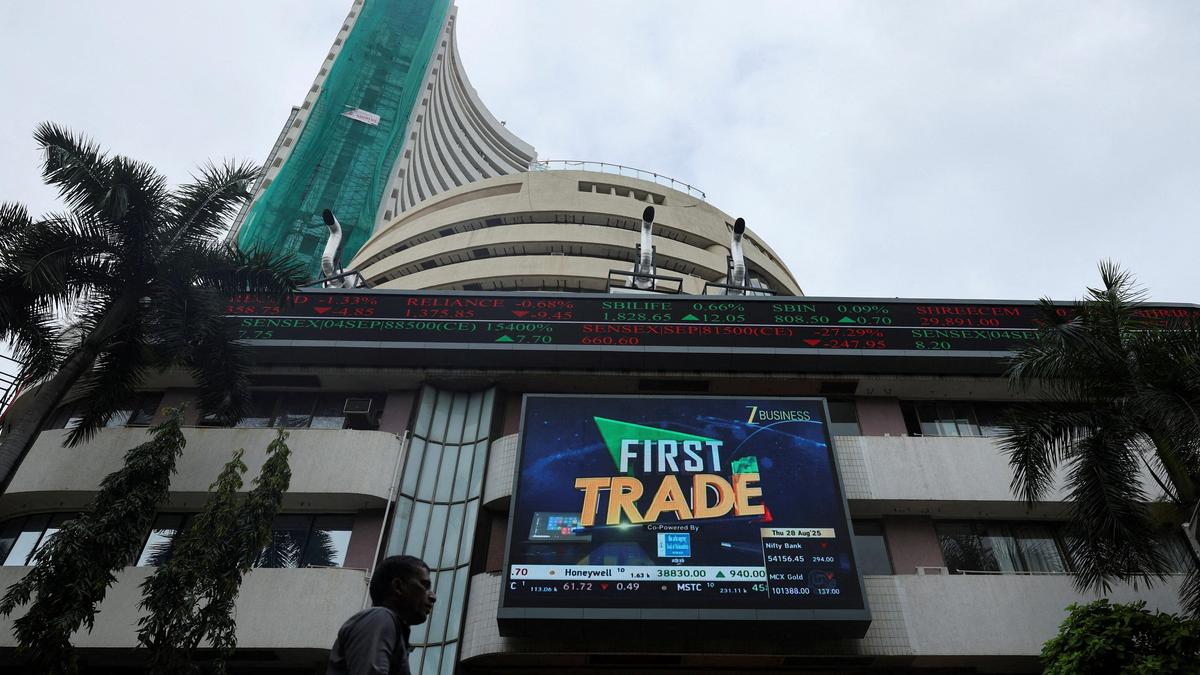
Nifty stages a sharp intraday recovery after morning slump
The 50-share NSE Nifty swung between a sharp dip and a modest gain on the same day, highlighting renewed intraday volatility. After plunging by 209.9 points (0.81%) in early trade to 25,473.40, the index recovered and ended the reported move higher by 106.95 points (0.42%), reaching 25,790.25.
Market snapshot
- NSE Nifty low in morning trade: 25,473.40
- Later move: up by 106.95 points to 25,790.25
- Intraday behavior: sharp sell-off followed by a rebound
What the intraday swing tells investors
Such a pronounced intra-session reversal usually reflects a mix of short-term profit-taking, reactive trading by algorithms and traders, and shifting sentiment as fresh information or order flow comes through. A morning sell-off can trigger bargain-hunting or short-covering, which helps the index bounce back later in the session.
Factors that often drive moves like this
- Global cues: Overseas market action and overnight developments can set the tone at the open and then be reassessed during the day.
- Foreign institutional flows: Large buying or selling by foreign investors often contributes to intraday volatility.
- Macro data and policy signals: Economic indicators, inflation readings, or policy commentary may cause sharp moves when they surprize the market.
- Corporate headlines: Earnings, guidance or sector-specific news can trigger swings, especially in heavyweight stocks.
How investors can approach this volatility
- Short-term traders may look to trade the range, using the morning low and the later high as intraday reference points for stop-loss and target placement.
- Long-term investors should avoid reacting to single-session swings; focus on fundamentals and portfolio diversification.
- Risk management remains key—maintain appropriate position sizes and use stop-losses or hedges where suitable.
- Watch liquidity and market breadth—strong breadth during a rebound suggests broader participation versus a rally driven by a few stocks.
What to watch next
In the coming sessions, market participants will likely keep an eye on global market momentum, foreign fund flows, upcoming corporate results and any economic releases. These elements can either reinforce the recent recovery or bring renewed pressure, so monitoring intraday levels and volume will be useful for assessing conviction.
Overall, the day’s action underscores how quickly sentiment can change in equity markets. Traders should stay alert to new information, while long-term investors can use volatility as an opportunity to reassess portfolio allocation rather than react impulsively to short-term moves.