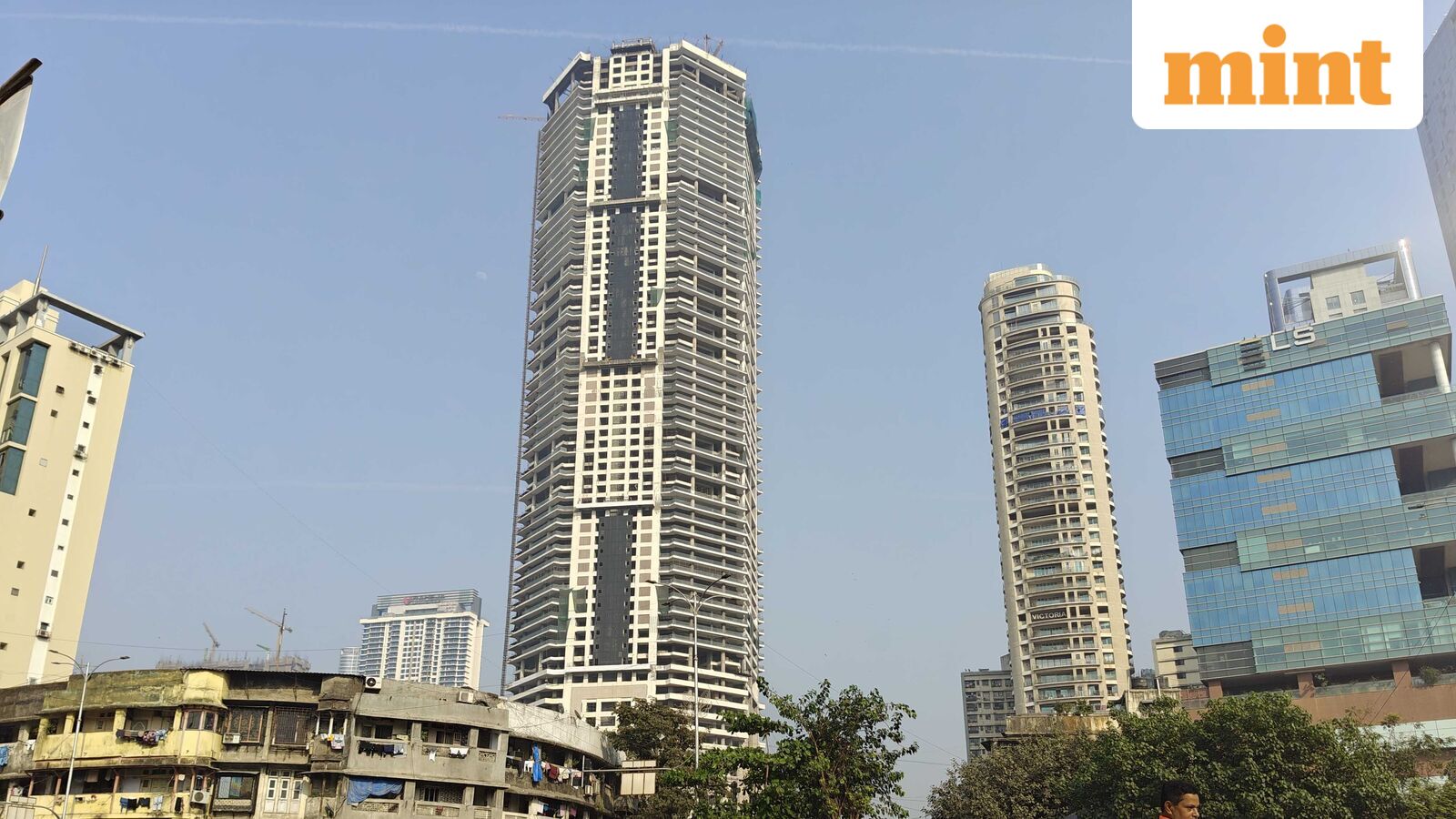
NCLT Settlement Clears One Hurdle for Mumbai’s Palais Royale
The developer of Mumbai’s long-delayed Palais Royale has reached a settlement in a creditor dispute at the National Company Law Tribunal (NCLT). The move removes a legal barrier that has been complicating the project’s revival, but significant challenges remain: the tower is still unfinished and its regulatory registration has lapsed.
What the NCLT settlement means
- Legal pressure eased: Settling the creditor dispute at the NCLT reduces the immediate risk of insolvency proceedings or enforcement actions that could have further stalled construction.
- Potential access to funding: With creditor issues addressed, the developer may find it easier to negotiate fresh financing or rework existing debt, though new funding is not guaranteed.
- Operational clarity: The settlement can provide a clearer path for project management decisions and stakeholder discussions, including those with contractors and suppliers.
These positive signals are useful, but they do not automatically restart construction. The settlement simply removes one of several obstacles the project faces.
Why the project is still incomplete
Palais Royale has been long delayed, a situation driven by a mix of financial constraints, regulatory hurdles and legal disputes. Even with the NCLT settlement, practical issues remain:
- Funding gaps: Completing a high-rise project requires substantial capital; the developer will need to secure reliable financing to resume work and meet outstanding payments to contractors.
- Contractor and supplier relationships: Long pauses in construction often lead to strained contracts or the need to retender work, which adds time and cost.
- Site management and deterioration: Extended delays can cause wear or vandalism at the construction site, leading to additional remedial costs before work can restart.
Why a lapsed regulatory registration matters
Registration with the relevant regulatory authority is a legal requirement for most real estate projects. A lapsed registration creates several practical problems:
- Legal compliance: Without an active registration, the developer may be non-compliant with local rules, exposing the project to fines or orders to stop work.
- Buyer protections: Buyers who invested in the project rely on registration for clarity on timelines, escrow rules and recourse; a lapsed status weakens those protections and increases uncertainty.
- Approval processes: Renewing registration or obtaining fresh permits can be time-consuming and may require updated clearances, further delaying progress.
Implications for buyers, investors and the market
For buyers and investors, the NCLT settlement is a welcome development but not a guarantee of completion. Key considerations include:
- Uncertain timelines: Even with legal hurdles reduced, there is no clear date for completion until funding and regulatory approvals are resolved.
- Financial risk: Buyers may face prolonged waiting periods, potential cost escalations, or changes in delivery commitments.
- Resale and valuation: The unresolved status of the project can affect resale prospects and valuations of linked assets in the short to medium term.
Next steps to watch
Several developments will be critical in determining whether the project moves forward:
- Registration renewal: Whether and how quickly the developer renews the lapsed regulatory registration will be a major signal of intent.
- Funding arrangements: Announcements of fresh investment, loans or equity partnerships will indicate real momentum toward completion.
- Construction milestones: Re-engagement of contractors, visible activity at the site and updated timelines will help restore confidence among buyers and stakeholders.
- Transparent communication: Clear updates from the developer to buyers and authorities can reduce uncertainty and avoid further disputes.
Concluding outlook
The NCLT settlement is an important step that removes a meaningful legal obstacle for the Palais Royale project. However, the path to completion still requires renewed regulatory compliance, fresh funding and practical action on site. For buyers and market observers, the next weeks and months will reveal whether this settlement becomes the turning point that finally pushes the long-delayed development toward completion, or another temporary pause in a protracted saga.