Dollar loses momentum as markets price in more Fed easing
Investor confidence in the U.S. dollar has been weakening as markets increasingly expect the Federal Reserve to ease policy further. Futures and bond markets currently reflect expectations of two additional interest-rate cuts over the coming months, and that view is nudging capital toward traditional safe havens such as gold, high-quality government bonds and certain currencies.
Why the dollar is under pressure
Several forces are combining to sap the dollar’s appeal. Softening U.S. economic data in areas such as consumer spending and manufacturing has raised the chance that the Fed will relax its stance sooner than previously thought. At the same time, inflation trends have shown signs of cooling in key readings, easing pressure on policymakers to keep rates elevated.
Market pricing of the Fed’s path plays a big role. When traders start to expect rate cuts, the dollar—which benefits from higher U.S. interest rates—tends to weaken. That creates room for currencies and assets that usually appreciate in calmer or lower-rate environments.
Safe-haven buying is shifting the flows
With the dollar sliding, investors are reallocating to assets that historically perform well during periods of uncertainty or easing monetary policy:
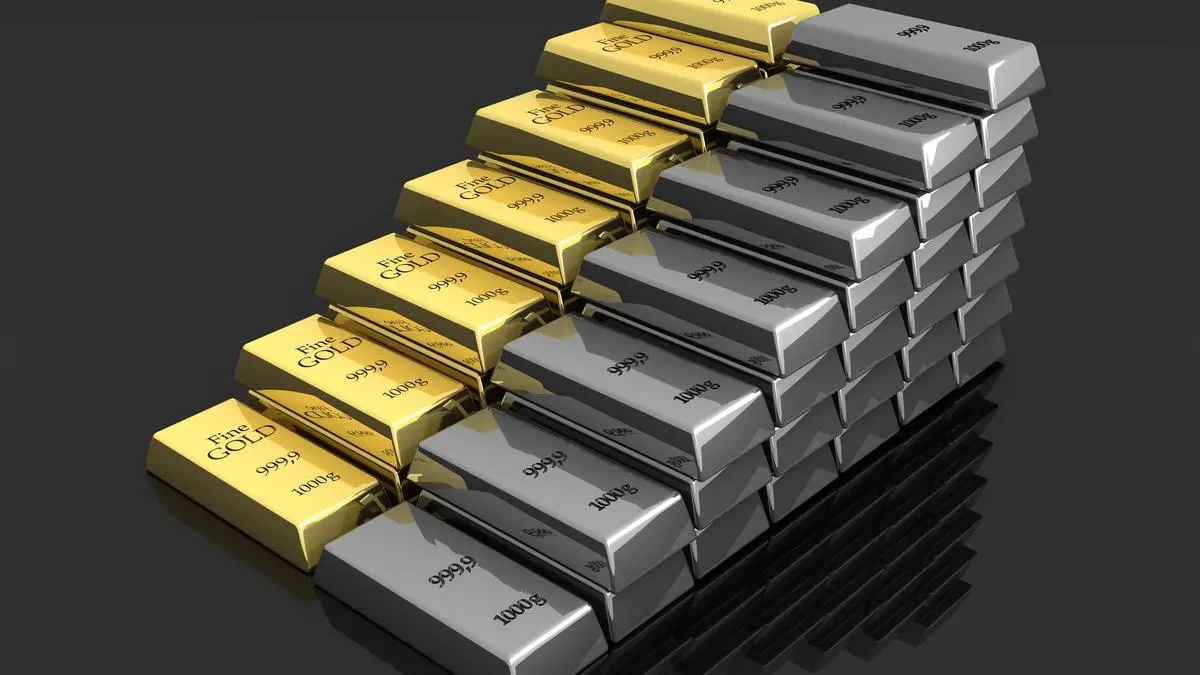
- Gold: Seen as a store of value and a hedge against policy shifts, gold often benefits when real yields fall and the dollar weakens.
- Government bonds: High-quality sovereign debt—especially U.S. Treasuries and German bunds—attract demand when investors expect lower policy rates and seek capital preservation.
- Safe-haven currencies: The Japanese yen and Swiss franc can gain when risk sentiment deteriorates or when yield differentials narrow.
Market implications across asset classes
The shift away from the dollar and toward havens influences a wide range of markets:
- Bonds: If the Fed delivers more cuts, yields are likely to fall, pushing up prices for longer-dated government bonds. This makes fixed-income more attractive for capital appreciation, though reinvestment yields may be lower.
- Equities: Lower interest rates can boost stock valuations, especially for growth-oriented sectors, but the immediate reaction depends on whether rate cuts reflect weakening economic fundamentals.
- Commodities: A weaker dollar typically supports commodity prices since those goods are priced in dollars; gold is the most obvious beneficiary.
- Foreign exchange: Major dollar crosses may see upward pressure—euro, yen and commodity-linked currencies could strengthen if the dollar’s slide continues.
What investors are watching
Market participants are closely monitoring several indicators to gauge how this trend might evolve:
- Fed communications: Any hint from officials that the number or timing of cuts might change will move markets quickly.
- Inflation data: Sticky inflation could delay cuts and restore dollar strength, while further cooling would reinforce the current view.
- Growth signals: Recession risks or a marked slowdown in activity would increase demand for safe assets even if cuts are further delayed.
Practical steps for investors
Given the outlook, investors might consider a few prudent moves:
- Diversify currency exposure: Don’t rely solely on dollar-denominated assets. Consider holdings in other developed-market currencies or currency-hedged products depending on your risk tolerance.
- Balance fixed-income duration: Longer-duration bonds can benefit if rates fall, but they are sensitive to inflation surprises. A mix of maturities can help manage that trade-off.
- Hold some gold or inflation hedges: Gold can act as insurance against both policy shifts and unexpected inflation or geopolitical shocks.
- Monitor equity exposure: If cuts reflect weakening growth, defensive sectors and high-quality dividend payers may outperform more cyclical areas.
Risks to the outlook
Expectations for more Fed easing are not guaranteed. A resurgence in inflation, stronger-than-expected data, or geopolitical developments could prompt the Fed to pause or reverse course, which would likely strengthen the dollar and pressure havens. Investors should be ready for rapid shifts in sentiment and maintain flexibility in their portfolios.
Bottom line
Markets are currently pricing in two more Fed cuts, and that bet is reshaping flows away from the dollar and into traditional safe havens. For investors, the moment calls for careful assessment of currency exposure, interest-rate risk and diversification strategies. Staying alert to incoming economic data and central-bank commentary will be key to navigating what could be a volatile period for currencies and global markets.