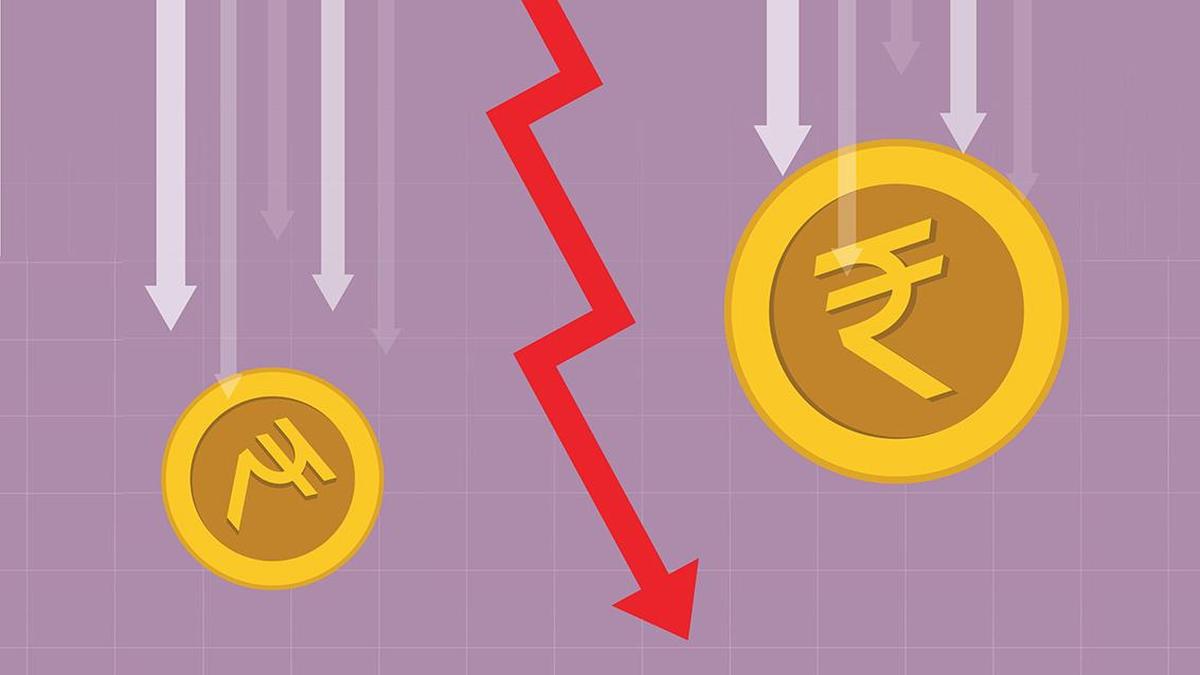
Rupee pressure deepened as uncertainty around the India‑US trade talks and what traders describe as limited action from the Reserve Bank of India (RBI) weighed on the currency. Forex traders say these two factors have added to selling momentum in the local unit.
What traders are saying
Market participants point to two immediate drivers:
- Trade uncertainty: Ongoing questions about an India‑US trade arrangement have kept investors wary, reducing confidence in the rupee.
- RBI’s stance: Traders note a lack of visible effort by the central bank to arrest the slide, which has amplified speculative flows against the currency.
Why this matters
Currency weakness can affect the broader economy. A softer rupee makes imports more expensive, which may push up input costs for companies and contribute to inflationary pressure. It can also influence the cost of foreign debt and affect investor sentiment toward local assets.
Short-term market effects
- Increased volatility in foreign exchange markets.
- Hedging activity by exporters and importers may rise.
- Portfolio flows could tilt toward safer or higher‑yielding currencies depending on global risk appetite.
What to watch next
Key signals that could stabilise the rupee include clearer progress on the India‑US trade discussions and any change in RBI communication or intervention strategy. Traders will also watch global cues like dollar moves, U.S. interest rates, and emerging‑market flows.
For corporates and investors, staying hedged and monitoring policy announcements and trade developments remains important while uncertainty persists.