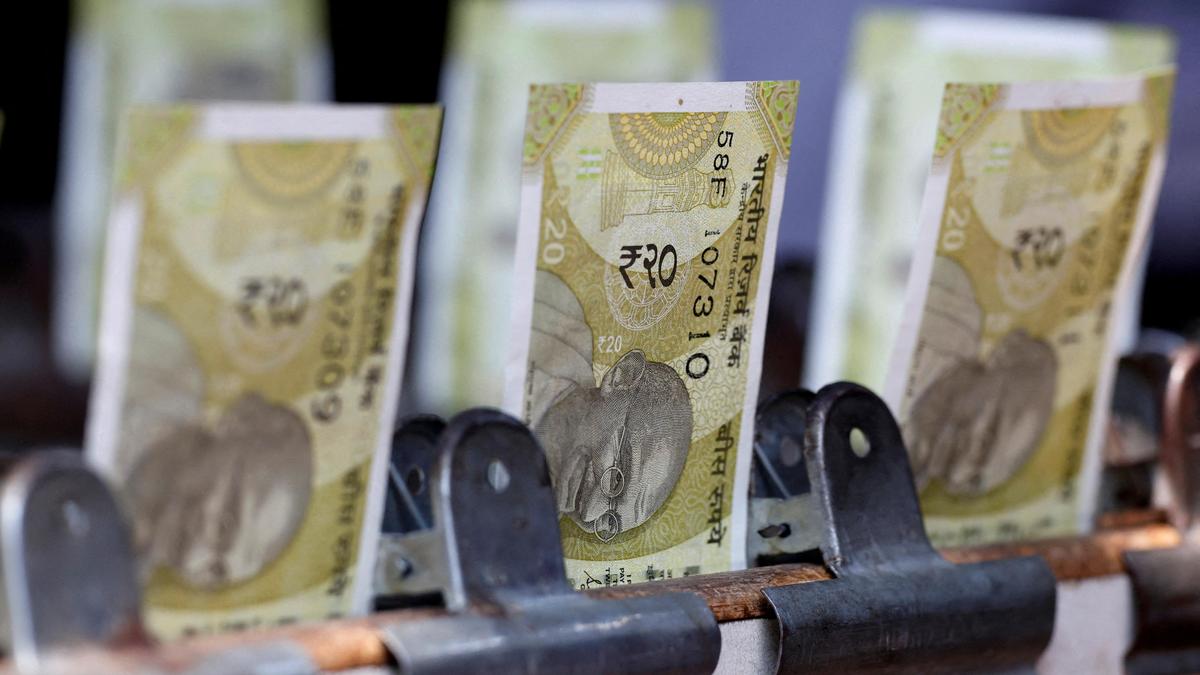
Risk Aversion Rises as Foreign Funds Head for the Exit
Foreign fund outflows and mounting concerns over geopolitical developments have dampened risk appetite across markets. With uncertainty on the rise, investors shifted toward safer assets, a trend noted by forex traders watching global flows closely.
How markets responded
- Safe-haven currencies strengthened as traders sought stability, lifting demand for the dollar and other perceived refuges.
- Gold and government bonds saw renewed interest, benefiting from the move away from riskier investments.
- Equities and riskier currencies came under pressure as capital left markets with higher perceived exposure to geopolitical and macro risks.
- Emerging markets were particularly vulnerable, facing tighter financing conditions after the outflows.
Why this matters for investors
When foreign funds pull back, liquidity can shrink and volatility often rises. That makes short-term price swings sharper and can widen spreads for borrowing and trading. For longer-term investors, it may mean reassessing portfolios for resilience rather than chasing yield in riskier assets.
Practical steps to consider
- Review portfolio diversification — focus on a mix that can withstand volatility, including liquid safe-haven components.
- Monitor geopolitical developments — events can change sentiment quickly and affect specific regions or sectors.
- Watch currency exposure — swings in major currencies can erode returns for international investments.
What to watch next
Investors will be tracking further fund flow data, central bank signals and any escalation in geopolitical tensions. These factors will determine whether risk appetite recovers or if the recent flight to safety becomes more prolonged.