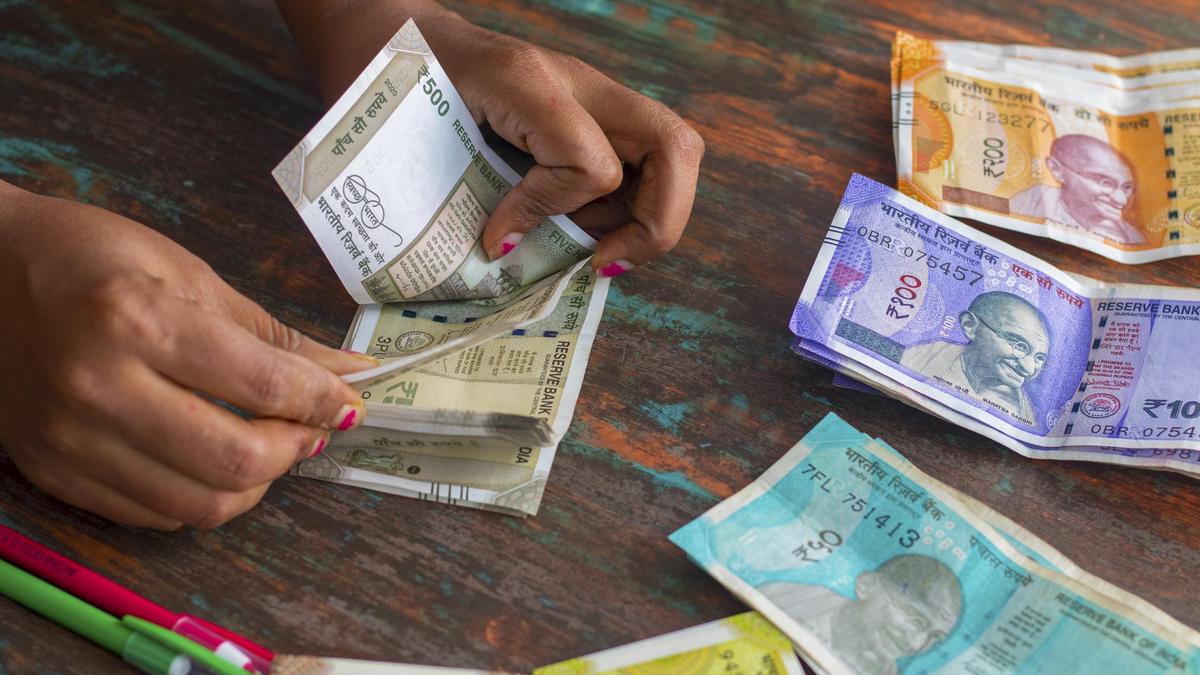
The Indian rupee opened weaker on the interbank foreign exchange market, starting the session at 90.37 against the US dollar and slipping further to trade at 90.44. That level is about 10 paise lower than the previous session’s close, signalling a modest depreciation against the greenback.
Market snapshot
- Opening rate: 90.37 per US dollar
- Intra-session movement: slipped to 90.44
- Change versus previous close: down by 10 paise
Why the rupee moved
Movements of a few paise in the rupee are common and can reflect a mix of domestic and international forces. Short-term depreciation like this often follows:
- Strength in the US dollar driven by risk-off sentiment or higher US Treasury yields.
- Global market cues: equity swings, geopolitical headlines and commodity moves can influence demand for safe-haven dollars.
- Crude oil prices: India is a large oil importer, so rising crude tends to put pressure on the rupee over time.
- Capital flows: portfolio inflows or outflows from foreign institutional investors can quickly affect the currency.
- Central bank activity: interventions or changes in policy expectations both at home and abroad may nudge the exchange rate.
What traders and businesses should watch
For anyone with exposure to the currency market or international trade, key items to monitor include:
- Global dollar strength and the US dollar index.
- Major macro releases such as inflation, employment and growth data from the US and India.
- Crude oil price trends and supply news.
- Foreign institutional investor activity and cross-border capital flows.
- Any commentary or action from the Reserve Bank on market liquidity or forex reserves.
Practical steps for businesses and investors
Small moves can become larger quickly in periods of volatility. Consider practical risk management options:
- Hedging: use forwards or options to lock in rates for known future payments or receipts.
- Staggering exposure: avoid concentrating all needs on a single future date.
- Regular monitoring: keep an eye on key global indicators and review exposure as situations change.
In the near term, the rupee’s path will likely follow global sentiment and the dollar’s direction. A 10-paise move is relatively small but a reminder that currency conditions can shift quickly, and traders and businesses should stay alert to broader market signals.