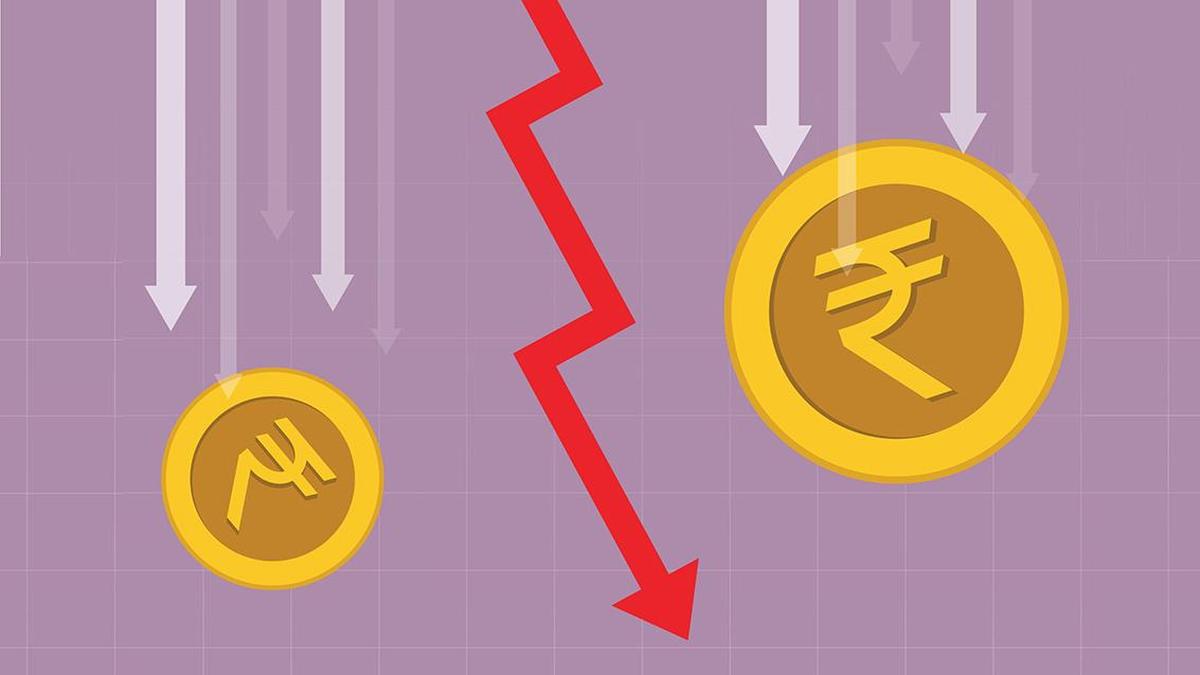
The Indian rupee slipped to 90.13 per US dollar in the latest session, moving past its previous record low of 89.9475 hit on Tuesday. The breach of the 90 mark adds pressure on markets and raises fresh questions about short-term currency stability.
Index
Show
What pushed the rupee lower?
There is no single cause, but several factors likely combined to push the currency weaker:
- Stronger dollar and higher US yields, which make dollar assets more attractive.
- Foreign investor flows, with any net outflows putting pressure on local currency.
- External pressures such as rising crude oil prices or geopolitical uncertainty that increase demand for dollars.
- Domestic macro factors, including trade deficits or expectations around monetary policy.
Immediate implications for businesses and consumers
- Import costs may rise, pushing up input prices for energy and manufacturers.
- Inflation risks could increase if higher import bills feed into consumer prices.
- Exporters may benefit from a weaker rupee, improving competitiveness abroad.
- Companies with dollar debt may face higher repayment burdens in rupee terms.
- Markets could see volatility in bonds and equities as investors reassess risk and returns.
What to watch next
- Statements or intervention from the central bank that might stabilise the currency.
- US economic data and interest-rate signals that influence dollar strength.
- Crude oil movement, since fuel imports weigh heavily on the trade balance.
- Foreign institutional investor flows and local bond yields.
The breach of the previous record low is a reminder that currency markets can move quickly. Short-term volatility looks likely until clear signals emerge from global markets or domestic policy makers.