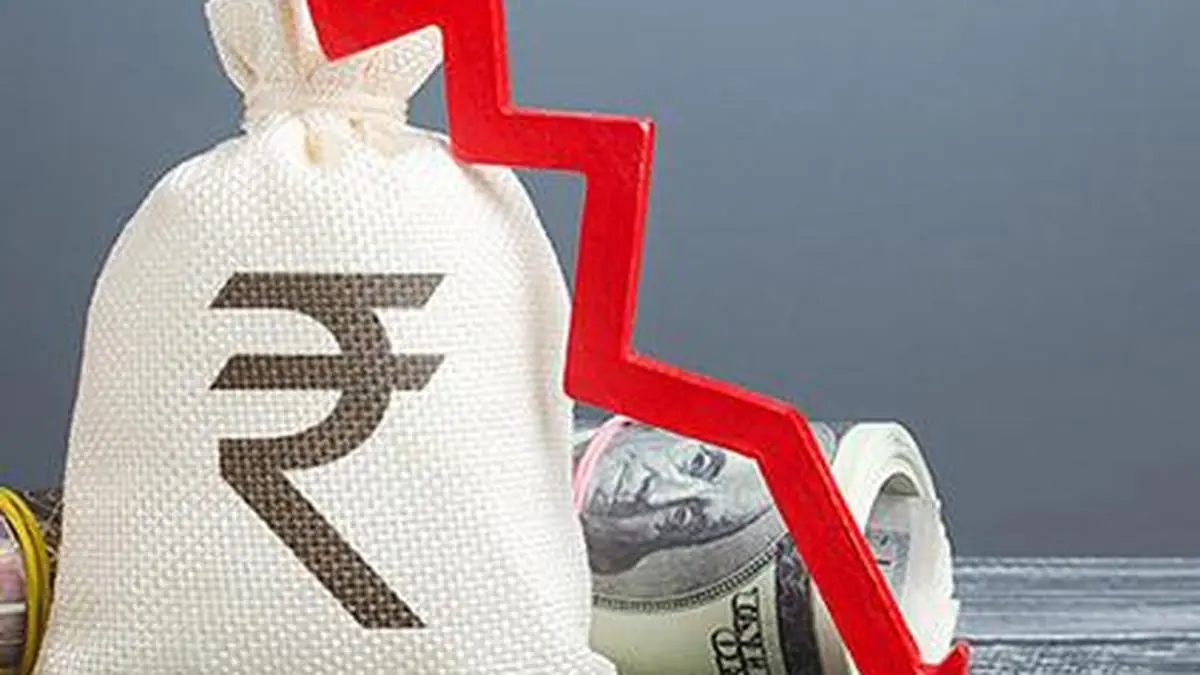
Rupee slides to become Asia’s weakest currency this year
The Indian rupee has fallen nearly 6% year-to-date against the US dollar, making it the weakest currency in Asia so far this year. The slide comes as steep US tariffs, some as high as 50%, on Indian goods hit exports to the country’s biggest trading partner and reduced interest from foreign investors in local markets.
How US tariffs are weighing on the rupee
Higher tariffs make Indian products more expensive in the US, cutting demand and shrinking export revenues. That drop in dollar inflows puts pressure on the rupee because fewer foreign currency earnings are coming into the country.
Immediate effects
- Lower export receipts: Reduced shipments to the US mean less foreign currency entering the economy.
- Foreign investor pullback: Tariff-driven uncertainty lowers the attractiveness of Indian equities, leading to capital outflows.
- Currency weakness: Combined, these forces reduce demand for the rupee, pushing its value down against the dollar.
What this means for markets and households
For markets, a weaker rupee can pressure companies that rely on imported inputs and make international investors more cautious. For consumers, a softer currency can translate into higher prices for imported goods and fuel, contributing to inflationary risks.
Possible policy responses
Authorities may look at tools such as foreign exchange intervention, interest rate guidance, or measures to support exporters and attract portfolio flows. While such steps can ease short-term volatility, sustained improvement usually requires clarity on trade relations and a recovery in export performance.
Bottom line: The rupee’s decline reflects a mix of trade friction and investor sentiment. Until tariff tensions ease or foreign inflows recover, the currency may remain under pressure.