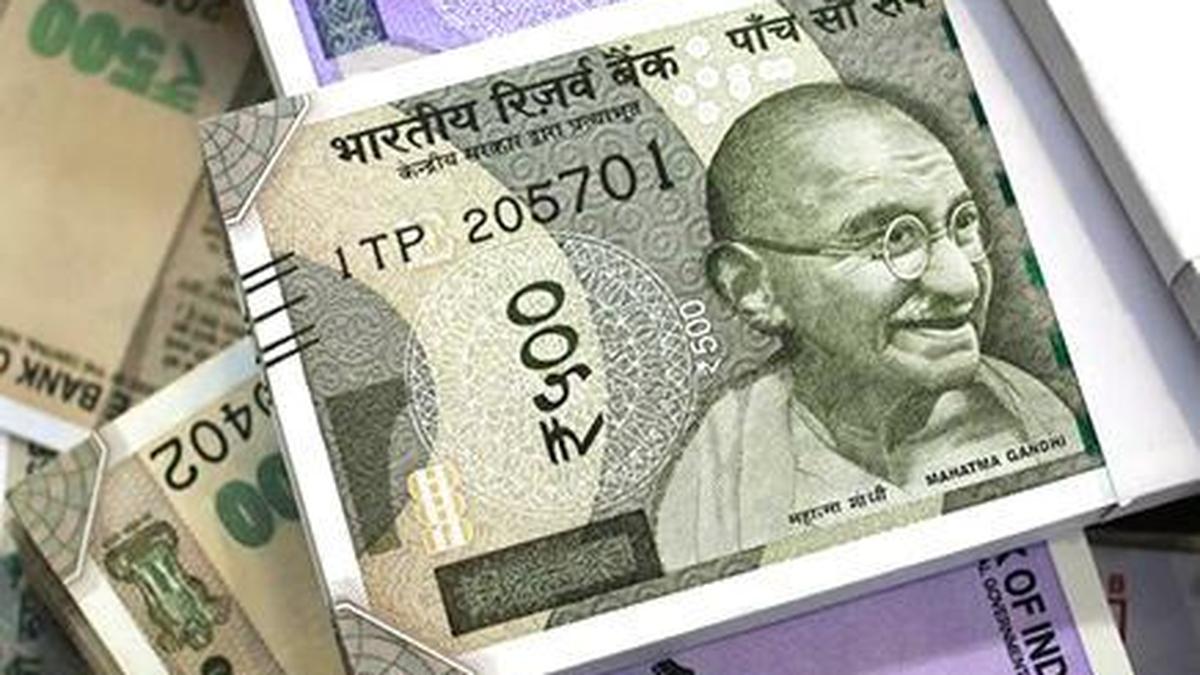
Rupee tumbles to a lifetime low
The Indian rupee fell sharply on Friday, sliding 98 paise to close at a lifetime low of 89.66 against the U.S. dollar. The move came as demand for the greenback surged in the domestic forex market while investors sold off local and global equities.
What drove the fall?
- Strong dollar demand: Corporates and market participants sought dollars, lifting the greenback’s value versus the rupee.
- Equity sell-off: Widespread selling pressure in both domestic and global stock markets reduced risk appetite and pushed investors toward safe-haven currencies.
- Trade-related uncertainties: Ongoing concerns around trade dynamics added to volatility and made foreign exchange flows more one-sided.
How markets reacted
Currency markets saw heavier trading volumes as participants adjusted positions. Bond yields and equity indices typically feel the ripple effects when the rupee weakens sharply — import costs rise and companies with foreign-currency exposure can face margin pressure.
What this means going forward
A sustained move toward the dollar could increase costs for importers and add inflationary pressure. Policymakers and the central bank may monitor the situation closely and could step in to manage excessive volatility. Investors will also watch global cues and trade developments for signs of stabilization.
The rupee’s drop to 89.66 reflects a mix of immediate dollar demand and wider market unease. Short-term direction will likely depend on global risk sentiment, trade news, and central-bank responses.