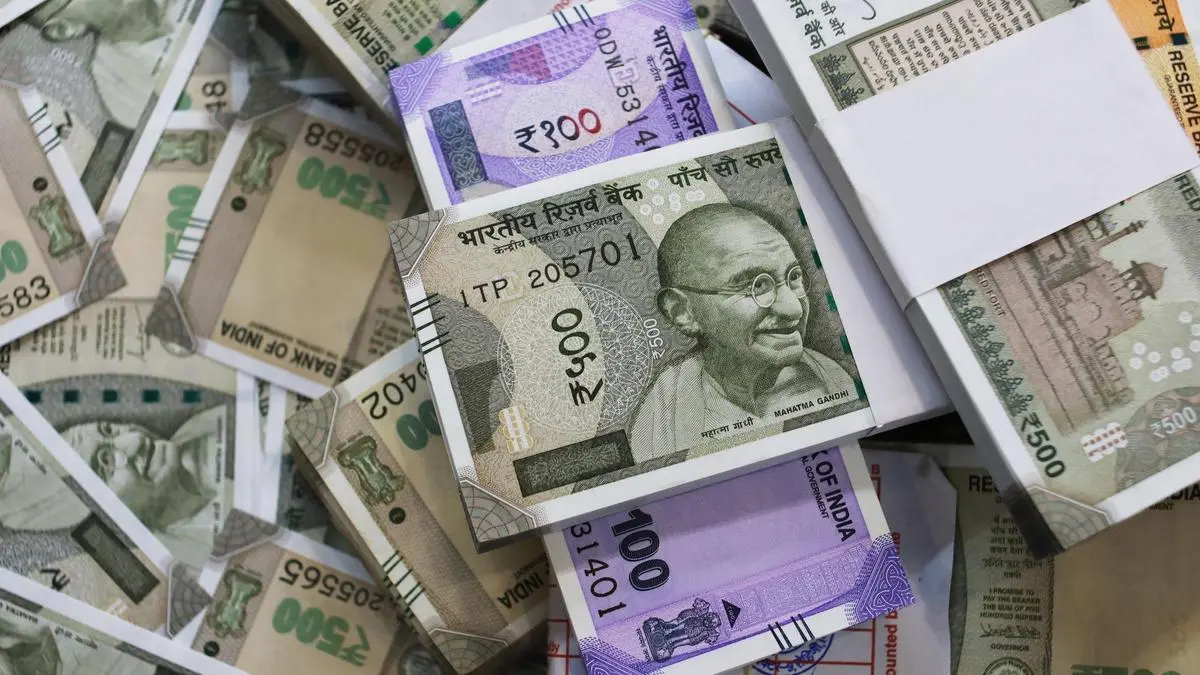
RBI steps up efforts to stabilise the rupee
The central bank took another visible step in the foreign exchange market, following a recent operation that strengthened its ability to intervene. One day earlier it absorbed about $5 billion from market participants through a three‑year USD/INR buy‑sell swap, a move aimed at smoothing currency volatility.
What the buy‑sell swap does
A buy‑sell swap lets the central bank take dollars out of circulation today and return them after an agreed period. In practical terms, it temporarily removes dollar liquidity and gives the bank flexibility to manage volatility without making a permanent change to reserves. The three‑year tenor means the RBI can influence conditions with a medium‑term horizon.
Why this matters
- Supports the rupee: Absorbing dollars can reduce downward pressure on the local currency during times of stress.
- Signals readiness to act: Such operations remind markets that the central bank has tools and the willingness to use them.
- Manages volatility: Swaps can smooth sharp swings without immediate reserve depletion.
- Influences liquidity: These operations affect domestic currency and dollar liquidity, with knock‑on effects for banks and exporters.
What to watch next
Market participants will be looking at short‑term rupee moves, forex market volatility, and reserve levels. Global developments such as US dollar trends, oil prices and geopolitical events will also shape effectiveness. Policymakers often balance FX interventions with broader monetary and fiscal considerations, so upcoming data on growth and inflation could influence further action.
For now, the recent swap operation and follow‑up steps underline a proactive stance by the central bank to smooth currency market turbulence while retaining flexibility over the coming years.