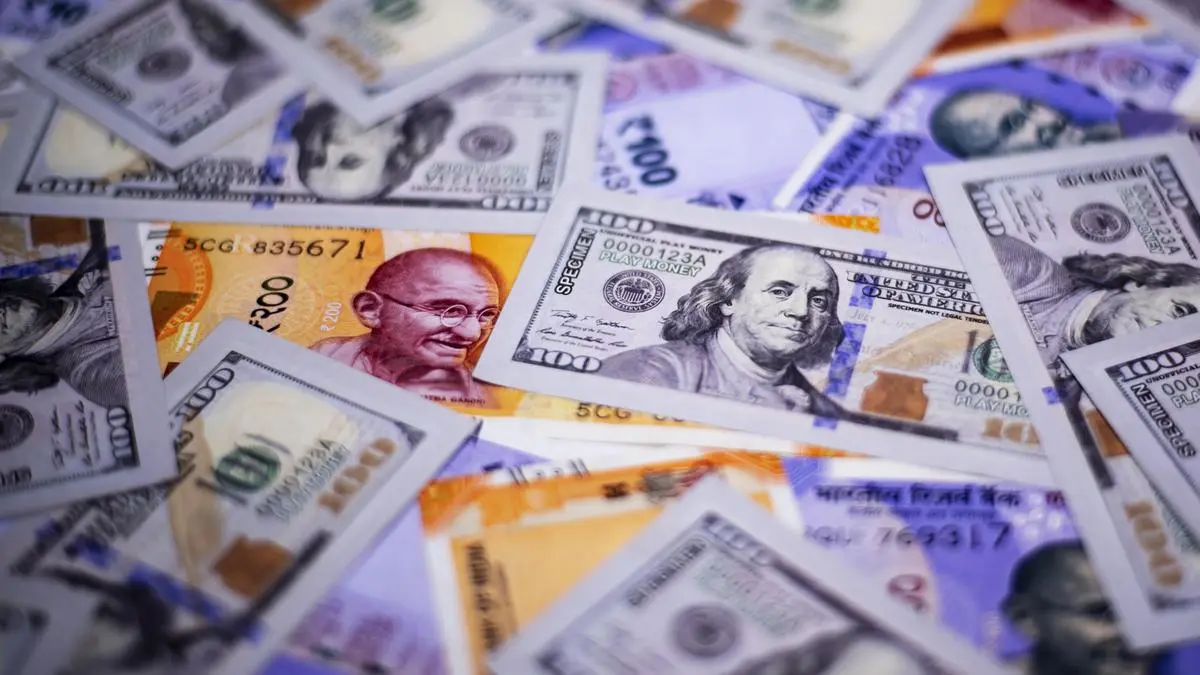
The rupee fell to 90.01 against the US dollar, reflecting renewed dollar strength and rising pressures on emerging market currencies. The move has drawn attention from exporters, importers, investors and policy watchers who watch currency swings closely for implications across markets and the real economy.
What pushed the rupee lower?
- Stronger dollar: The US dollar has regained momentum amid expectations of higher US interest rates and resilient economic data, making dollar assets more attractive to global investors.
- Higher US bond yields: Rising yields in the US have widened the yield gap between Indian bonds and US Treasuries, encouraging capital flows away from riskier assets.
- Global risk-off sentiment: Periods of uncertainty in global markets — whether driven by geopolitical tensions, slower growth forecasts or commodity volatility — tend to favor the safe-haven dollar, pressuring emerging market currencies.
- Domestic drivers: Seasonal import demand, particularly for fuel and non-food commodities, can widen the trade deficit and increase demand for dollars. At times, portfolio outflows or block deals can add to near-term pressure.
Immediate market reaction
Currency dealers and traders typically respond quickly to these moves. A weaker rupee can prompt:
- Increased volatility in the foreign-exchange market as participants adjust positions.
- Local equity market reactions, especially in sectors sensitive to currency moves such as IT (exporters) and consumer or capital goods companies (importers of raw materials).
- Higher cost of dollar-denominated imports, which can feed through to consumer prices in some sectors.
Impact on businesses and consumers
The effects of a rupee weakening to 90.01 are felt unevenly:
- Exporters: Many exporters may benefit from a weaker rupee because they receive more rupees for each dollar earned, potentially improving margins if dollar prices remain stable.
- Importers: Firms importing raw materials, components or fuel face higher input costs, which can squeeze margins or be passed on to consumers as price rises.
- Consumers: Prices of imported goods and services, including electronics, foreign travel and some fuels or inputs, may rise over time, affecting household budgets.
- Borrowers with foreign debt: Companies and financial institutions with dollar-denominated liabilities may see their repayment burden increase in rupee terms.
What policymakers and markets may do next
Central banks and market participants watch currency moves closely. Possible responses include:
- Central bank intervention: The central bank can use foreign exchange reserves to smooth excessive volatility, though sustained intervention depends on policy priorities and reserve levels.
- Rate policy and liquidity measures: Monetary authorities may adjust liquidity operations or communicate policy intentions to calm markets if needed.
- Market-driven adjustment: Often, the currency will find a level based on flows, interest-rate differentials and investor sentiment. Traders may hedge exposures using forwards or options.
Outlook — what to watch
Short- to medium-term outlook will hinge on a few key factors:
- US monetary policy signals and US economic data that influence dollar strength.
- Global risk sentiment, including developments around growth forecasts, commodity prices and geopolitical events.
- Domestic indicators like trade data, foreign investment flows and inflation trends.
- Central bank communications and any visible intervention in currency markets.
Practical steps for businesses and individuals
- Review foreign-currency exposures and consider hedging significant short-term risks with forwards or options.
- For import-dependent businesses, reassess pricing and contract terms to manage margin pressure.
- Exporters should evaluate opportunities to lock in favourable exchange rates while monitoring demand conditions abroad.
- Individuals planning large foreign-currency expenses—education, travel or overseas property—may consider timing purchases or using forward contracts if available.
A move to 90.01 highlights how sensitive the rupee remains to global and domestic forces. While such shifts can create opportunities for some and challenges for others, careful risk management and attention to evolving market signals remain the best defenses against currency-driven surprises.