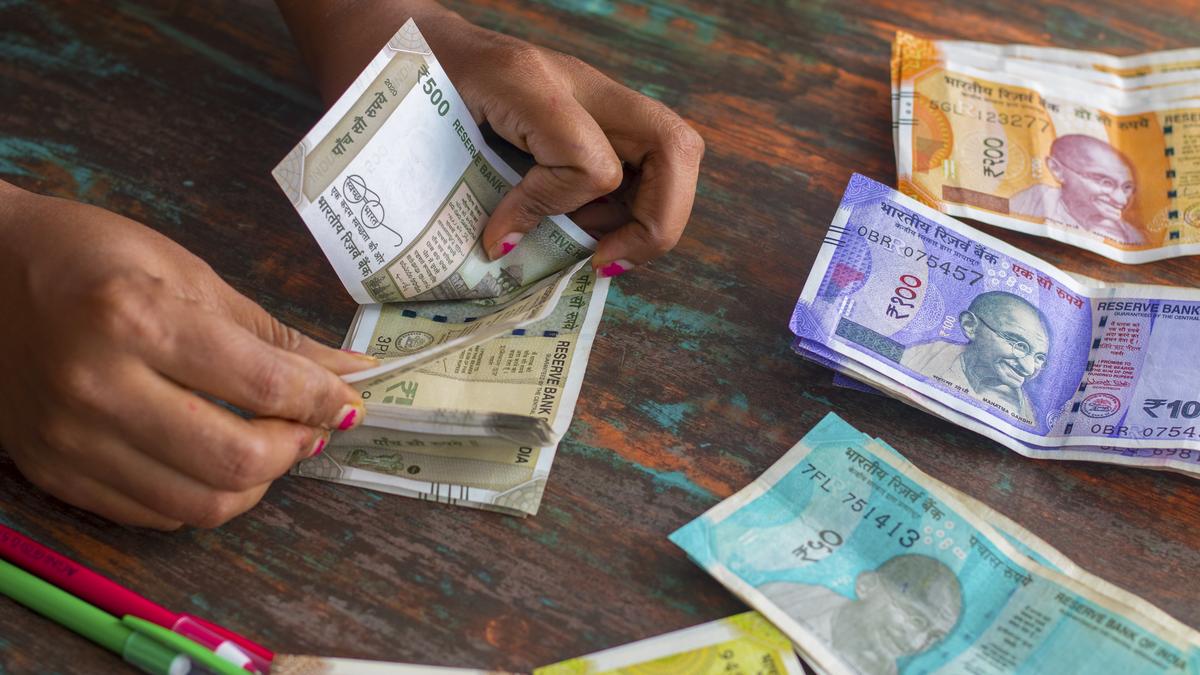
The Indian rupee opened the day at 90.24 against the US dollar in the interbank foreign exchange market and slipped slightly to an intra-day low of 90.30. The modest 6-paise move reflects a cautious tone as traders weigh domestic flows against global currency pressures.
What the small move means
A change of six paise is relatively minor, suggesting the market remains balanced rather than volatile. Such limited movement can indicate that selling or buying interest was matched through much of the session, and there was no major trigger to push the currency sharply in either direction.
Why traders pay attention
- Corporate impact: Importers and companies with dollar-denominated costs watch even small moves because they can affect margins on large transactions.
- Investor flows: Portfolio flows from foreign investors can quickly change demand for the rupee, especially around debt and equity transactions.
- Policy signals: Market participants look for signs of central bank intervention or changes in liquidity that may influence near-term direction.
Factors that typically influence the rupee
Movements in the rupee reflect a mix of domestic and global forces. While today’s variation was modest, these are the common drivers traders monitor:
- Global dollar strength: A stronger US dollar—driven by US economic data, interest rate expectations or safe-haven flows—tends to put pressure on emerging market currencies, including the rupee.
- Crude oil prices: India is a large oil importer; higher oil increases the import bill and can weigh on the currency over time.
- Foreign portfolio flows: Net inflows or outflows from equity and debt markets can create demand or supply for dollars.
- Domestic monetary and fiscal stance: Interest rate differentials and government borrowing needs shape investor appetite for rupee assets.
- External trade and current account: A widening trade deficit typically weakens the currency, while stronger exports can provide support.
What market participants are watching next
With the rupee showing only a modest move today, traders will keep an eye on several near-term triggers that could influence direction:
- Key macroeconomic data releases at home and abroad, including inflation and jobs data.
- Crude oil price swings and their impact on India’s import bill.
- Foreign investor activity, particularly flows into debt markets ahead of auctions.
- Central bank commentaries and any sign of intervention in the foreign exchange market.
Bottom line
The rupee’s opening at 90.24 and intra-day dip to 90.30 shows a steady market with slight downward pressure against the greenback. For most businesses and investors, the key will be watching broader trends—global dollar momentum, oil prices and capital flows—rather than this single, small intraday shift.