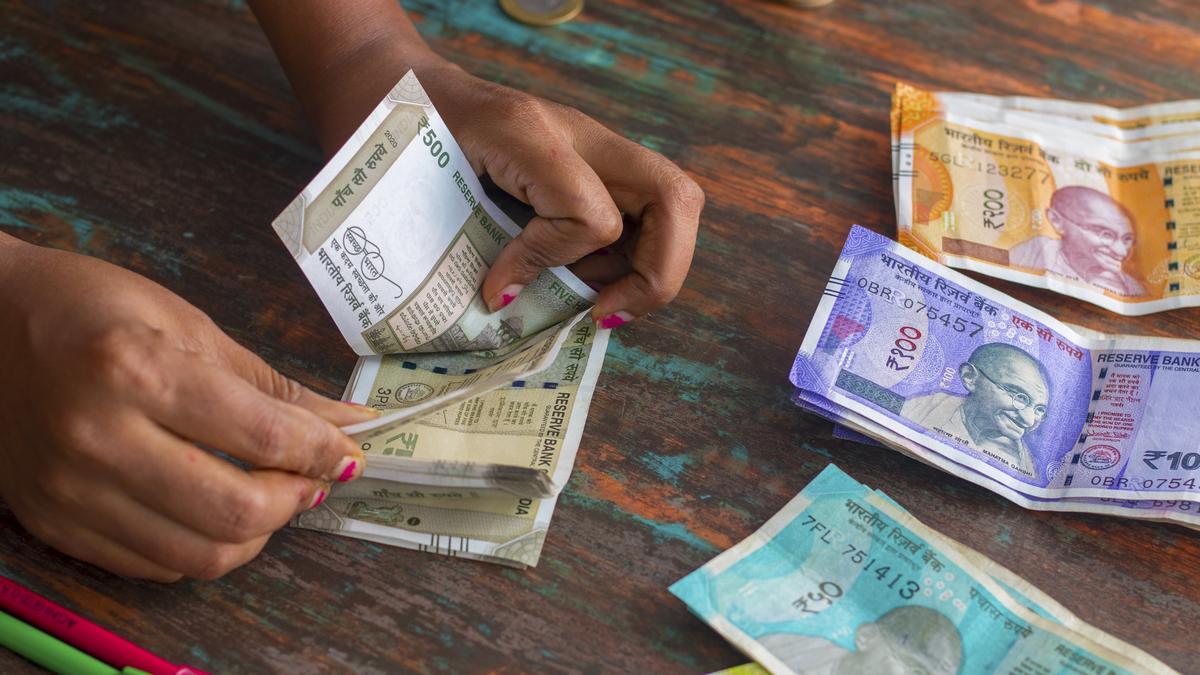
Concern that the United States could impose further tariffs, combined with weak sentiment in domestic equity markets, has put renewed pressure on the local currency, forex traders say. The mood in both global trade policy and stock markets is prompting investors to trim risk, prompting capital outflows and weighing on the exchange rate.
Why tariff fears matter for the currency
Tariff threats create uncertainty about future trade volumes and corporate profits. When a major economy signals it may impose new trade barriers, exporters face the prospect of lower demand and squeezed margins. That can reduce foreign currency inflows from exports and make local assets less attractive to international investors.
Key channels through which tariff anxiety can hit the local unit:
- Export outlook: Expectations of lower exports reduce demand for the local currency from overseas buyers.
- Investor sentiment: Heightened geopolitical or trade tensions spark risk-off moves, encouraging investors to shift into safe-haven currencies.
- Capital flows: Foreign portfolio investors may sell local equities and bonds, increasing downward pressure on the exchange rate.
Domestic equity weakness compounds the problem
Falling stock prices at home can amplify currency weakness. When equities slide, foreign and domestic investors alike may liquidate positions to preserve liquidity or rebalance portfolios. That selling converts local assets into foreign currency, increasing supply of the local unit in FX markets and nudging the exchange rate lower.
Why stocks and currency often move together
- Equity declines reduce foreign investor appetite, prompting capital outflows.
- Lower corporate valuations can lead to less reinvestment and slower economic growth expectations.
- Combined trade and market worries create a feedback loop—poor equity performance undermines confidence, which in turn pressures the currency further.
How traders are reacting
Forex traders typically respond to these twin pressures by moving toward safer assets and reducing exposure to the local unit. That can mean increased buying of major reserve currencies, widening of bid-ask spreads in currency markets, and volatile intraday swings as participants adjust to new information about tariffs or market sentiment.
What policymakers and market participants may do
Authorities and market participants have several options to ease currency stress or protect portfolios. Which path is taken depends on the severity and persistence of the shock.
- Central bank intervention: Direct FX intervention or short-term liquidity measures to stabilize markets.
- Monetary policy: Interest-rate adjustments to defend the currency or support the economy.
- Fiscal and trade measures: Government steps to support exporters, diversify trade relationships, or pursue diplomatic discussions.
- Corporate hedging: Firms can lock in exchange rates with forward contracts or options to manage cash-flow risk.
What to watch next
Investors and businesses should monitor a few key signals that could alter the outlook:
- Announcements or statements from U.S. policymakers about new tariffs or trade negotiations.
- Domestic equity market trends and large-scale portfolio rebalancing by institutional investors.
- Central bank communications and any unexpected moves in interest rates or reserve policy.
- Economic data—particularly export figures, inflation, and manufacturing activity—that could influence both trade expectations and monetary policy.
Practical steps for businesses and investors
Given the current uncertainty, simple and practical measures can help reduce downside risk:
- Hedge currency exposure where possible with forwards, options, or natural hedges through matching currency cash flows.
- Diversify funding sources and maintain liquidity buffers to withstand periods of volatility.
- Reassess equity allocations to ensure exposure matches risk tolerance, especially if domestic markets remain fragile.
- Stay informed on trade policy developments and central bank signals that can shift market dynamics quickly.
In short, the interplay of tariff uncertainty and weak domestic equity sentiment is creating a challenging environment for the local currency. Market participants should prepare for heightened volatility while watching policy moves and trade developments that could restore confidence or further unsettle markets.