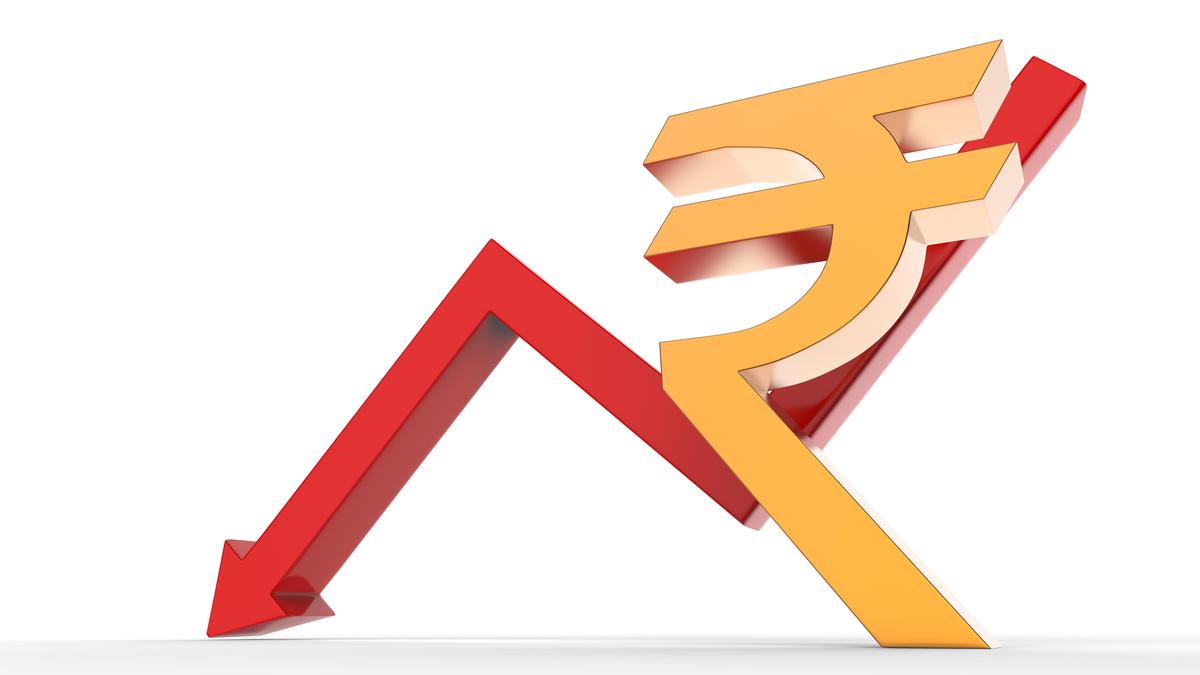
Rupee slips to 90.16 in interbank trade
The Indian rupee opened stronger at 89.88 against the US dollar in the interbank foreign exchange market but lost ground during the session to settle at 90.16 (provisional). That marks a decline of 26 paise from the previous close.
Intraday movement and market tone
The currency’s initial strength gave way as the trading day progressed, reflecting typical intraday pressures in the forex market. Small shifts like a 26-paise move can be driven by changes in global risk sentiment, dollar demand, and short-term flows in and out of local markets.
Possible drivers behind the move
- Dollar strength: A firmer US dollar globally tends to push emerging market currencies lower, including the rupee.
- Foreign fund flows: Net buying or selling by foreign institutional investors in equities and debt can influence demand for dollars.
- Commodities and oil: Higher crude prices can widen India’s import bill and put pressure on the currency.
- Domestic macro and liquidity: Short-term liquidity conditions, corporate dollar demand and central bank operations can affect intraday moves.
What this means for businesses and consumers
- Importers: A weaker rupee raises the local cost of dollar-denominated imports, which can increase input costs for companies and prices for consumers.
- Exporters: They may see a slight advantage as receipts in dollars convert to more rupees.
- Travel and remittances: Overseas travel and remittance costs can become more expensive for residents.
- Inflation and corporate margins: Persistent currency weakness may filter into higher inflation and squeeze margins for firms reliant on imported goods.
What to watch next
- Global dollar indices and US economic data that can drive dollar momentum.
- Crude oil price trends, given India’s import dependence on oil.
- Foreign institutional investor flows into Indian markets.
- Comments or interventions from the central bank and key domestic macro data releases.
In short, the rupee’s move from 89.88 to a provisional close of 90.16 highlights the interplay of global and domestic factors that can shift currency levels even within a single trading day. Market participants will be watching external cues and local liquidity conditions for further direction.