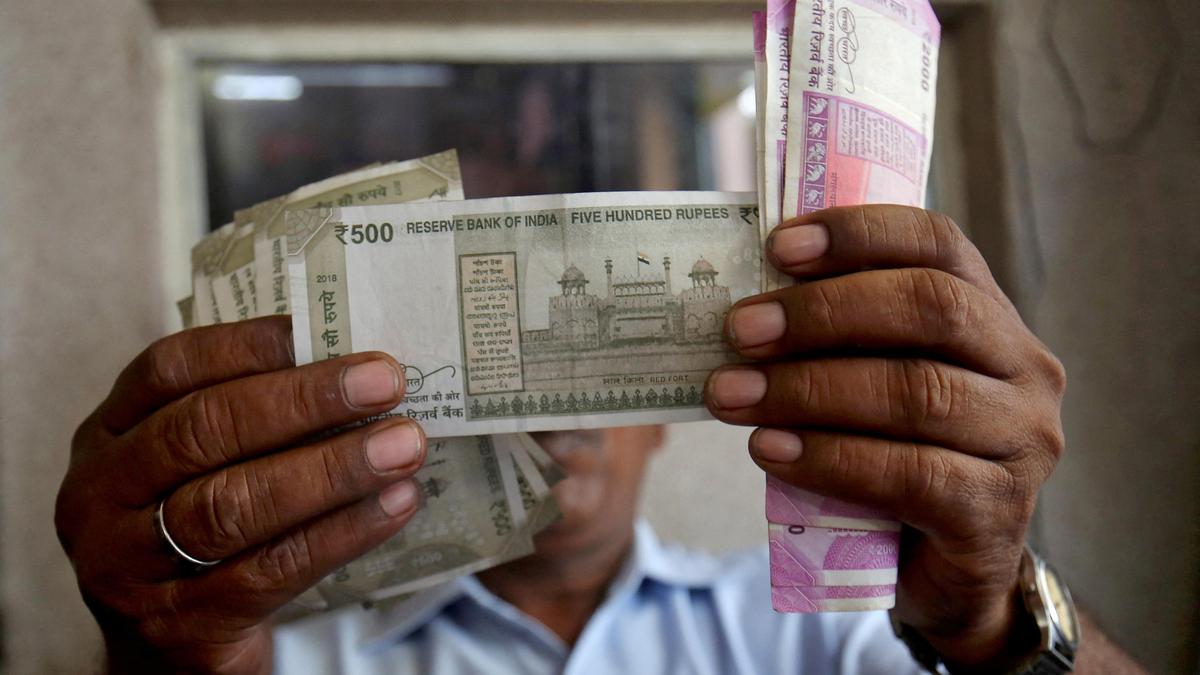
At the interbank foreign exchange market, the Indian rupee opened at 89.70 against the U.S. dollar and later slipped to an intraday record low of 90.00. The move marks a notable weakening of the rupee within a single trading session.
Index
Show
What happened on the trading floor
Traders saw the rupee lose ground after the opening, pushing the pair to the psychological 90.00 mark. The drop to this intraday low reflects short-term selling pressure in the currency market.
Why this matters
- Import costs: A weaker rupee makes imports — especially crude oil, machinery and raw materials — costlier, which can raise costs for businesses and consumers.
- Inflation pressure: Higher import bills may feed into inflation, affecting prices across the economy.
- Exporters: Indian exporters may benefit from a weaker rupee as their goods become more competitively priced in dollar terms.
- Market sentiment: Currency moves can influence foreign portfolio flows and investor confidence in the short term.
What to watch next
- Dollar strength in global markets and U.S. economic data.
- Crude oil prices, as India is a major oil importer and fuel costs affect the trade deficit.
- Foreign investment flows and any large bond or equity outflows.
- Central bank commentary or intervention aimed at stabilising the rupee.
Practical tips for businesses and investors
- Importers should consider hedging strategies to manage currency risk.
- Exporters may review pricing and receivables to maximise the benefit of a softer rupee.
- Investors should monitor macroeconomic indicators and central bank signals before making moves.
The intraday breach of 90.00 is a reminder of how quickly currency markets can shift. Market participants will be watching global cues and domestic developments closely for signs of direction in the coming sessions.