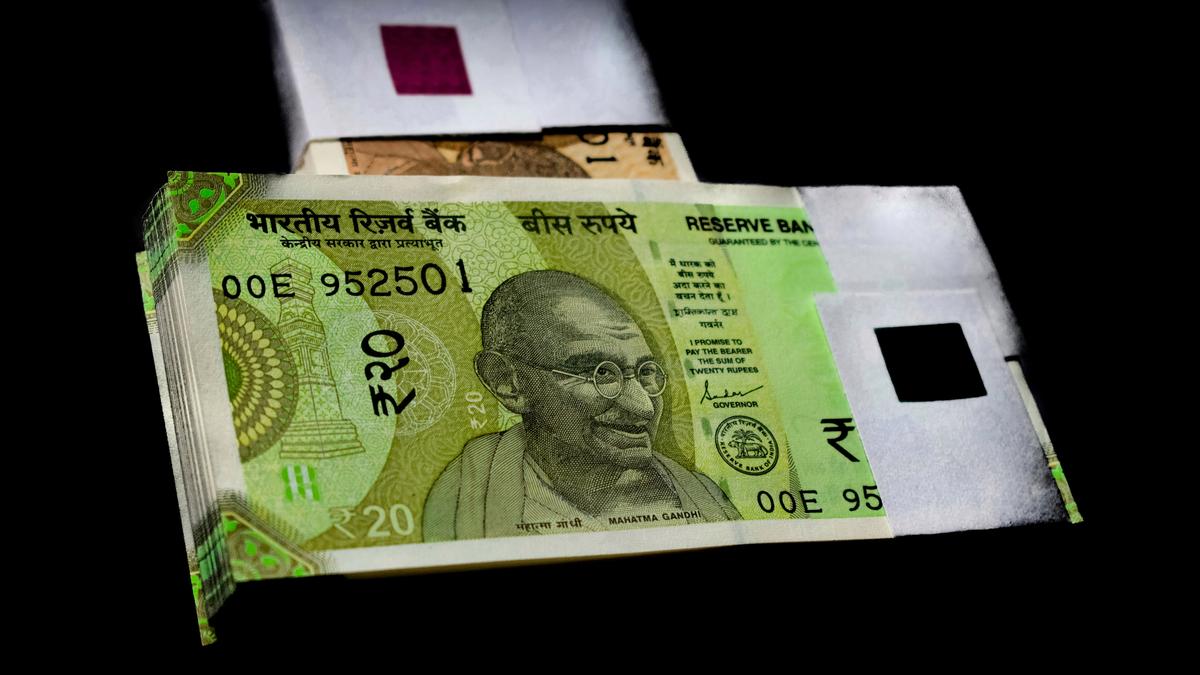
The USD/INR pair moved higher after the Indian rupee hit a string of record lows in recent weeks, with forex traders attributing the shift to likely intervention by the Reserve Bank of India. Market participants say the central bank’s actions helped calm selling pressure and stabilise the currency.
Why traders expect RBI intervention
When a currency falls sharply over a short period, central banks often step in to smooth volatility. In this case, traders observed unusual activity in the spot and futures markets, which many interpreted as the Reserve Bank of India buying dollars or using other tools to support the rupee.
Signals in the market
- Reduced volatility: Sudden declines in intraday swings suggested targeted intervention.
- Order flow: Heavy dollar-selling orders and adjustments in forward contracts pointed to central-bank involvement.
- Desk commentary: Forex dealers and institutional clients reacted quickly, pricing in a steadier rupee.
What this means for businesses and investors
Stabilisation of the rupee can ease pressure on importers who face higher costs when the currency weakens. It may also help reduce inflationary risks that come from pricier imported goods and fuel. Exporters, meanwhile, could see a narrower competitive edge if the rupee strengthens.
Broader market impact
- Bond yields and equity flows may respond as currency stability reduces uncertainty for foreign investors.
- Short-term speculation in the currency market could cool, at least until clearer signals on RBI policy emerge.
What to watch next
Traders and corporates will look for formal guidance from the Reserve Bank of India on currency management and any change in foreign-exchange reserves. Key indicators to monitor include daily rupee moves, RBI commentary, and global factors such as dollar strength and oil prices that also influence the USD/INR trajectory.
Bottom line: The recent uptick in USD/INR reflects a market digesting the rupee’s record lows and reacting to likely central-bank steps to restore calm. Continued attention to RBI signals will be crucial for forecasting near-term currency direction.