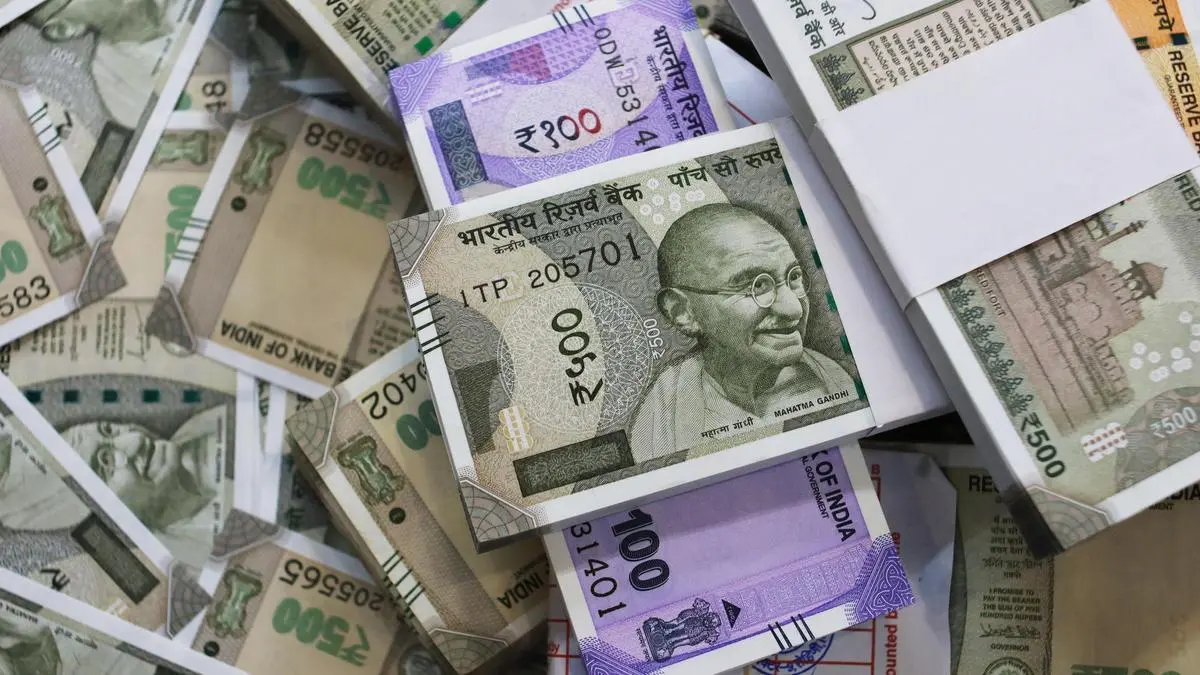
Rupee slips after India’s trade gap widens in December 2025
The Indian rupee weakened as traders reacted to a wider trade deficit for December 2025. The gap between imports and exports rose to $25.04 billion, up from $24.53 billion in November and $22 billion in December 2024. Market participants said the larger deficit put fresh pressure on the currency.
Understanding the change
The month-on-month increase and the year-on-year rise show the trade balance moving further into deficit. A higher trade deficit typically means greater demand for foreign currency to pay for imports, which can weigh on the domestic currency unless offset by capital inflows.
Why the deficit likely widened
Traders and analysts pointed to several factors that commonly influence a widening trade gap. While detailed sector-level data will clarify the exact drivers, likely contributors include:
- Higher import bills: Large imports of crude oil, other energy products or commodities can push up the deficit.
- Soft export growth: If exports slow because of weaker global demand or supply-chain disruptions, the gap can widen even if imports are steady.
- Seasonal and festival-related buying: End-of-year activity can raise demand for certain goods, increasing imports temporarily.
- Gold and electronic imports: Volatile demand for gold and consumer electronics often affects monthly trade balances.
- Global price moves and currency swings: A stronger dollar and higher international prices make imports costlier in local currency terms.
How markets reacted
Traders said the wider deficit added to selling pressure on the rupee. When the trade gap grows, importers need more foreign currency, and that increased demand can push the rupee lower, particularly if foreign capital inflows do not rise to offset it.
Other market effects that typically follow such data include:
- Short-term volatility in the currency and bond markets.
- Possible increased attention from policymakers and the central bank if the trend continues.
- Impact on investor sentiment, especially among foreign portfolio investors who monitor external balances closely.
Implications for businesses and consumers
A wider trade deficit and a softer rupee can have practical consequences:
- Import costs rise: Companies that rely on imported raw materials or components face higher input costs, which can squeeze margins.
- Inflation pressure: Higher import prices can feed into consumer inflation, particularly for fuel and key commodities.
- Export competitiveness: A weaker rupee can help exporters by making their goods cheaper abroad, but benefits may take time to flow through.
What to watch next
Key indicators that will shape the near-term outlook include:
- Monthly trade data for the coming months to see if the deficit trend persists.
- Crude oil and commodity price movements, which materially affect import bills.
- Foreign capital flows and portfolio investment trends.
- Central bank commentary and any signals on foreign exchange intervention or monetary policy changes.
The December deficit is a reminder that external balances remain an important influence on the rupee. Traders will be closely watching incoming data and global developments to assess whether the currency will stabilise or face further downside pressure.