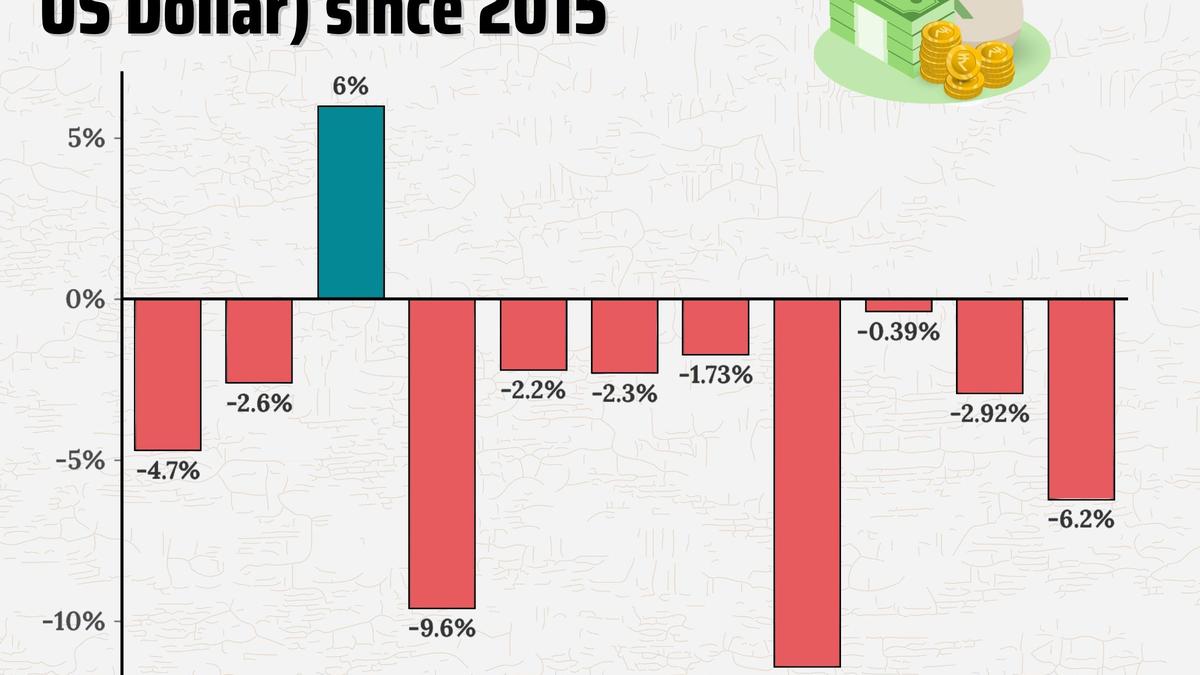
On December 16, 2025, the Indian rupee slipped past the ₹91 per US dollar mark, a psychologically significant threshold for markets and policymakers. Traders and analysts attributed the move largely to uncertainty surrounding the proposed India‑U.S. trade deal, which left investors unsure about future tariffs, market access and investment flows.
What happened on December 16, 2025
Trading desks reported increased demand for the US dollar as participants priced in higher risk and waited for clarity on talks between New Delhi and Washington. The lack of concrete signals about the scope, timeline or safeguards in the trade discussions appeared to dent investor confidence, prompting capital to move toward safer currencies and assets.
Why uncertainty around the India‑U.S. trade deal weighs on the rupee
- Investor sentiment: Trade agreements can alter the outlook for exports, foreign direct investment and corporate earnings. Unclear outcomes raise the perceived risk premium on Indian assets.
- Capital flows: Potential changes in market access or tariffs may influence portfolio allocations by foreign institutional investors. Uncertainty can slow inflows or accelerate outflows.
- Trade balance expectations: Unpredictability about tariffs or quotas can affect export volumes and import costs, influencing the current account and currency demand.
Other factors likely at play
While trade‑talk ambiguity was a headline reason, currency moves are rarely driven by a single factor. Market participants also pointed to a mix of domestic and global influences that typically pressure emerging market currencies:
- Global dollar momentum: Strength in the US dollar, possibly driven by interest rate differentials or safe‑haven flows, can make emerging market currencies weaker.
- Commodity prices: Higher crude oil costs raise import bills for India, adding demand for dollars and pressuring the rupee.
- Portfolio flows: Volatility in equity or bond markets can lead foreign investors to trim positions, creating additional currency outflows.
- Domestic macro cues: Data on inflation, growth and fiscal deficits influence expectations for monetary policy and foreign investor appetite.
Immediate market and economic implications
A breach of ₹91 has practical consequences across the economy:
- Importers: Costs for fuel, technology and raw materials rise in rupee terms, squeezing margins unless price increases are passed on.
- Exporters: They may gain a short‑term competitive edge, but benefits depend on contract currency and timing.
- Inflation: A weaker rupee can add upward pressure to consumer prices, particularly for energy and imported goods.
- Corporate finances: Companies with dollar‑denominated debt face higher servicing costs, which could affect earnings and credit metrics.
- Financial markets: Equity and bond markets can respond to currency swings via changing investor risk appetite and expected policy responses.
What the central bank and policymakers might consider
Faced with currency stress, authorities typically have a few options. Any action would balance exchange‑rate stability against inflation and growth goals. Potential responses include:
- Foreign exchange interventions to smooth volatility.
- Monetary policy adjustments if currency weakness threatens inflation targets.
- Communication measures to calm markets and set expectations around policy or negotiations.
Analysts stress that interventions are often calibrated and temporary unless underlying fundamentals change.
What businesses and consumers should watch and do
Given the uncertainty, stakeholders can take practical steps to manage risk:
- Hedge currency exposure: Use forwards, options or natural hedges where appropriate to lock in rates or limit downside.
- Review import contracts: Consider renegotiating payment terms or passing through cost increases carefully to protect margins.
- Monitor policy updates: Keep an eye on statements from trade negotiators and the central bank for signals that could shift markets.
- Maintain liquidity buffers: Prepare for short‑term funding pressure if foreign flows become choppy.
Outlook and scenarios
Market direction will likely hinge on two main developments: clarity on the India‑U.S. trade deal and broader global financial conditions. Possible scenarios include:
- Rapid clarity or favorable terms: If talks yield clear, investor‑friendly outcomes, confidence could return and the rupee may strengthen from current levels.
- Prolonged uncertainty: Continued ambiguity or concerns over tariffs and market access could maintain pressure on the rupee and contribute to higher import costs and inflation.
- Global shock: External shocks—such as a sudden change in global interest rates or commodity spikes—could amplify currency moves regardless of trade progress.
Key takeaways
- The rupee breaching the ₹91 mark on December 16, 2025 reflects market anxiety over an unclear India‑U.S. trade deal.
- Currency moves are also influenced by global dollar strength, commodity prices and capital flows.
- Businesses should review hedging strategies, contracts and liquidity plans; consumers should expect potential inflationary impact on imported goods and fuel.
- Watch for policy signals and concrete developments in trade talks—those will be the most important near‑term drivers of direction.