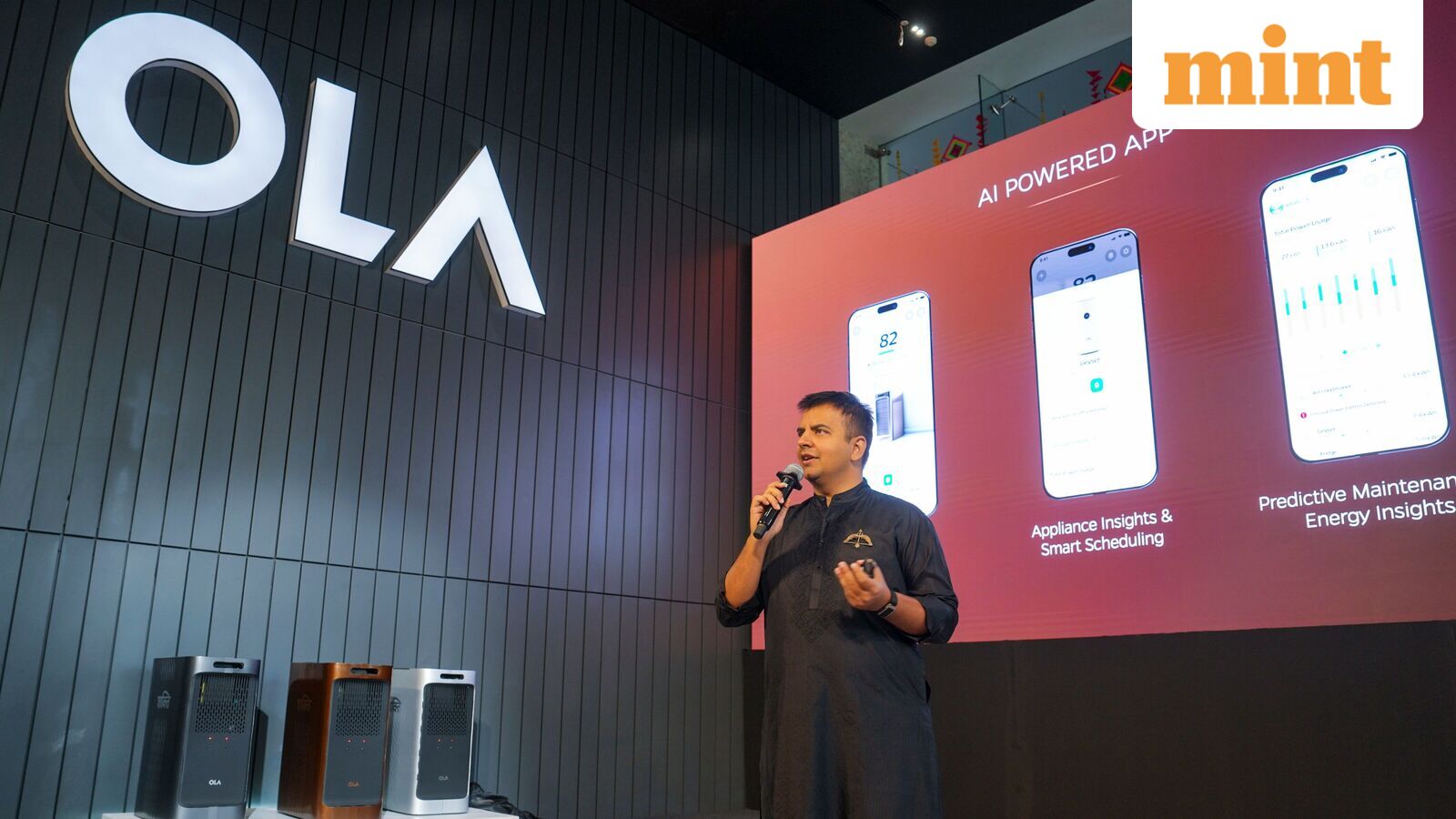
Facing a sharp slowdown in scooter registrations across India, the electric two-wheeler maker has begun using its expanded retail footprint to sell home energy storage products. The move is a strategic shift from a pure electric-vehicle focus toward a broader energy and mobility play — a high-stakes pivot that reflects changing market realities and new commercial opportunities.
Why the company is diversifying
Demand for electric scooters has cooled in several Indian cities, driven by factors such as rising interest rates, increased competition, and evolving consumer preferences. When sales of a core product slow, companies often look for adjacent businesses where they can quickly apply existing assets and customer relationships. For this manufacturer, the most obvious adjacent market is home energy storage.
Home energy storage systems — battery-based units that store power for use during outages or to maximize rooftop solar self-consumption — are gaining attention in India. They are a logical fit for an EV maker that already works with battery technology, power electronics and charging infrastructure.
How the retail network will be used
The company plans to leverage its dealership and storefront network to showcase, sell and service home battery systems. Retail outlets that once focused solely on scooters will display energy storage products, offer demonstrations, and provide installation and after-sales support. This turns each store into a multi-product point of contact for customers seeking both mobility and home energy solutions.
Using the retail network in this way helps the company avoid the slow and expensive process of building a new sales channel from scratch, while offering a physical place for consumers to learn about technology that can feel complex and technical.
Product fit and customer appeal
- Complementary technologies: Batteries and power-management systems share core technologies with vehicle electrification, making product development and supplier sourcing easier to manage.
- Cross-sell opportunities: Customers buying an EV may also be interested in home backup systems or chargers. Bundling can increase average transaction value.
- Energy resilience: In markets with frequent outages or unreliable grids, stored energy is a clear value proposition, especially when paired with rooftop solar.
Business benefits of the pivot
Moving into home energy storage offers several potential upsides:
- Diversification of revenue: Reduces reliance on one product category and spreads commercial risk.
- Higher-margin services: Installation, maintenance and warranty extensions can create recurring revenue streams.
- Better asset utilization: Retail staff, physical stores and logistics can support multiple product lines, improving returns on investment.
- Brand extension: Successfully selling energy products can position the company as a broader clean-energy player rather than a single-product EV maker.
Risks and challenges
The strategy is not without pitfalls. Home energy storage is a competitive, technically complex field:
- Established competition: Battery and inverter manufacturers with long experience in stationary storage already compete on price and reliability.
- Supply and cost pressures: Battery raw material prices and supply-chain bottlenecks can squeeze margins.
- After-sales demands: Consumers expect quick, technically competent service for home energy systems. Providing reliable installation and maintenance at scale is operationally demanding.
- Regulatory and safety issues: Standards for battery safety, recycling and disposal are evolving, and compliance will be essential.
Implications for dealers and customers
For dealers, the move offers a new revenue stream and the potential to deepen customer relationships. Training and certification will be important so that store staff can confidently sell and service energy systems.
For customers, the shift could make home energy storage more accessible. Retail locations provide a place to inspect systems in person, ask questions, and combine purchases — for example, pairing a scooter with a home battery or charger.
What this signals for the broader market
The pivot reflects a larger trend: the convergence of mobility and energy. As electric vehicles and distributed energy resources become more mainstream, companies that can offer integrated solutions — vehicles, chargers, batteries and energy-management systems — may gain an edge.
For the industry, this development could accelerate the adoption of home storage, raise competition among suppliers, and push existing players to improve customer service and product reliability.
Looking ahead
The company’s move into home energy storage is a pragmatic response to a tougher market for scooters. Success will depend on execution — especially on product reliability, competitive pricing, and strong after-sales support. If it works, the strategy could transform retail outlets from single-product showrooms into hubs for clean-energy solutions, reshaping how Indian consumers buy both mobility and home-energy products.