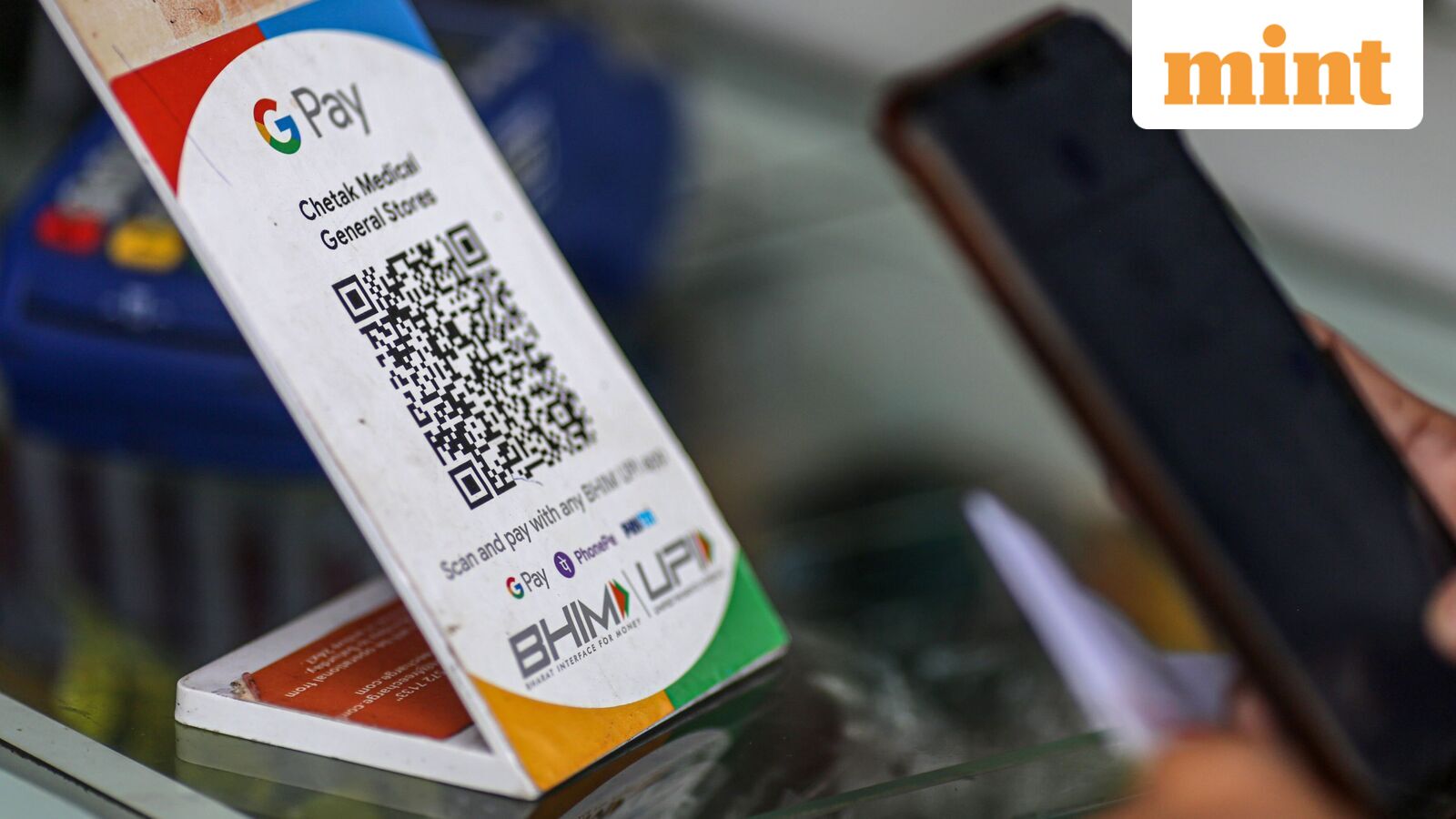
Misdirected UPI payments are a common headache. Because UPI moves money instantly, a simple mistype can send funds to the wrong virtual payment address. That transfer isn’t always reversible — and delays in reporting the mistake make recovery harder. Below is a clear guide to how recovery works, why time matters, and practical steps you can take to protect yourself.
How wrong UPI transfers happen
- Typing the wrong VPA (virtual payment address) or selecting a similarly named contact.
- Scanning the wrong QR code in a busy setting.
- Auto-pay, saved beneficiaries, or bulk transfer errors.
- Fraudsters posing as legitimate recipients or customer-support scams that trick users into authorising a payment.
What happens after a wrong transfer
UPI pushes money quickly to the recipient’s account. In many cases the recipient sees the amount within seconds. That speed is convenient — and the reason reversals are often complicated.
Possible outcomes
- Automatic bounce — if the VPA or linked account is invalid, the payment may fail and funds return to your account.
- Voluntary return — the recipient agrees to refund the money.
- Bank-mediated resolution — your bank or payment app escalates the matter to the recipient’s bank to request a refund.
- Frozen account — banks may freeze a recipient’s account if fraud is suspected or if requested by investigators; this requires legal or investigative grounds.
- Legal action — if the recipient refuses to return funds, you may need to involve police or take civil/consumer action.
Why delays reduce chances of recovery
Time is critical. Here’s why:
- Funds can be withdrawn or moved. If the money is transferred out of the recipient’s account quickly, banks can’t recover it from third-party accounts without court orders.
- Cash withdrawals and card spends make tracing harder.
- Records get harder to preserve. Immediate reporting helps banks view real-time logs and act before the money disappears.
- Missed financial opportunities. Money stuck in a misdirected account can mean missed investment windows — for example, an IPO allotment, a deadline for switching or topping up investments, or a missed margin call — causing tangible losses beyond the transfer itself.
Step-by-step: What to do immediately
Act quickly and follow these steps to give yourself the best chance of recovery:
- Stop and gather details. Note the transaction ID, time, amount, recipient VPA, and any confirmation messages. Take screenshots.
- Contact your UPI app or bank right away. Use the in-app help or grievance section and provide the transaction details. Ask them to raise a dispute and escalate to the recipient’s bank.
- Call customer service. Follow up on the complaint reference number until you get confirmation of escalation.
- Lodge a police complaint if needed. If there’s suspicion of fraud or the recipient refuses to cooperate, file an FIR and give the complaint number to your bank.
- Request a freeze. Ask your bank to request a temporary freeze on the recipient’s account if fraud is likely — but be aware banks usually need legal grounds or cooperation to do this.
- Keep records. Save all messages, emails, complaint numbers, and screenshots. These are important if legal action becomes necessary.
- Escalate formally. If the bank response is slow, use the bank’s grievance mechanism, ombudsman, or the regulator’s complaint process available in your country.
How banks and UPI apps handle recovery
Banks and payment apps have internal dispute and escalation mechanisms. They can:
- Contact the beneficiary bank and request a reversal or refund.
- Share transaction logs and call for cooperation from the recipient bank.
- Freeze funds in limited circumstances when investigators or law enforcement request it.
But banks can’t force a willing recipient to return money without consent or a legal order. If the recipient refuses and has already withdrawn or transferred funds, recovery becomes difficult and may require court intervention.
When legal action becomes necessary
If the recipient won’t cooperate, legal routes include a police complaint, a civil suit to claim the funds, or consumer forum proceedings. These paths can recover money, but they take time and may incur costs. Consider them when the amount involved justifies the effort.
Practical prevention tips
The best strategy is to avoid wrong transfers in the first place. Simple habits can prevent most mistakes:
- Verify the payee name. Use the app’s name verification feature before you approve a payment.
- Double-check VPA and amounts. Read slowly before entering your UPI PIN.
- Make a small test transfer to a new beneficiary if you’re unsure.
- Use QR codes carefully. Confirm the merchant name before paying; avoid scanning QR codes in public without checking.
- Limit transaction size in your app settings if you’re worried about errors or scams.
- Don’t share your UPI PIN or OTP with anyone.
- Keep alerts on. Real-time SMS/email/app alerts help you spot unintended transactions fast.
Final takeaways
Wrong UPI transfers are common, and quick action improves the chances of recovery. Contact your bank or payment app immediately, preserve evidence, and involve police or legal channels if necessary. At the same time, adopt careful payment habits to reduce the risk of mistakes — a few extra seconds of verification can save you a lot of trouble later.