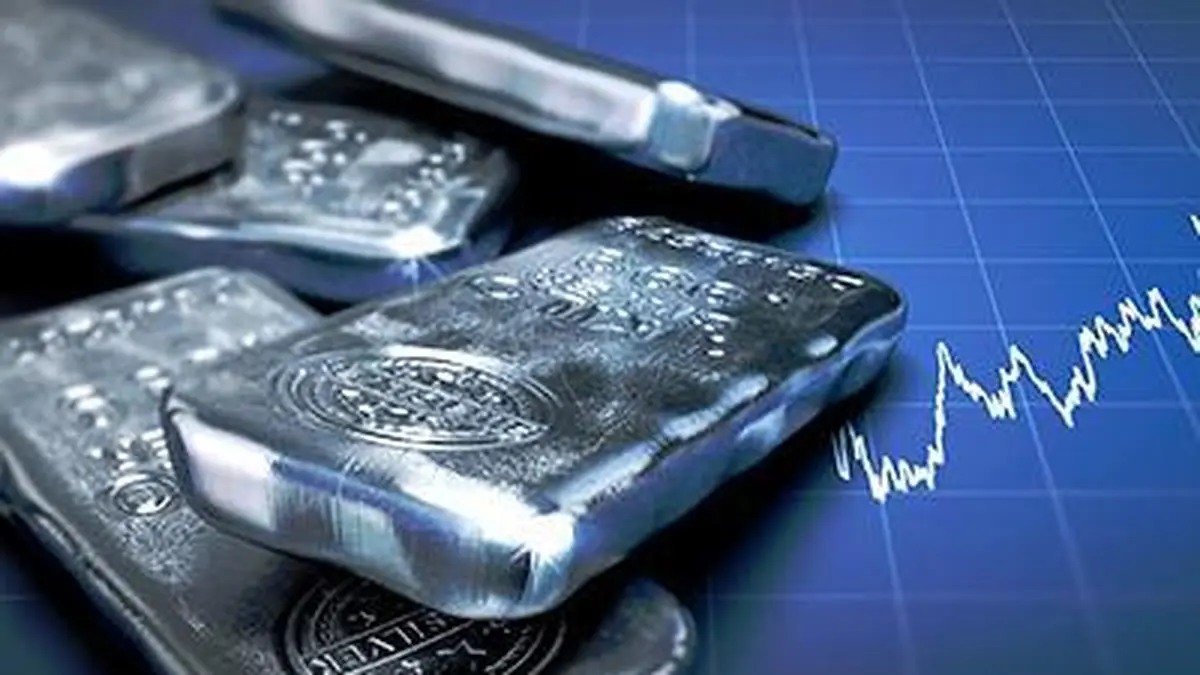
Silver futures hit record on MCX
Silver futures for the March 2026 contract on the Multi Commodity Exchange (MCX) surged by ₹8,951, or about 4%, to settle at an all-time high of ₹2,32,741 per kg. The sharp move underscores renewed interest in the metal from investors and industrial users alike, and marks a notable milestone for the domestic precious metals market.
Why the price jumped
There is seldom a single cause behind a big move in commodity markets. Market participants pointed to a combination of factors that likely pushed silver to a fresh high:
- Stronger global silver demand — Industrial applications such as electronics, photovoltaics and medical instruments support long-term demand, and any signs of pick-up in these sectors tend to buoy prices.
- Safe-haven inflows — When macro uncertainty or inflation concerns rise, investors often rotate into precious metals. Silver can benefit both as an industrial metal and a store of value.
- Currency and liquidity effects — Moves in the rupee-dollar exchange rate and monetary policy expectations can amplify domestic price swings. A weaker rupee or looser global liquidity conditions typically raise local currency prices for imported commodities.
- Speculative positioning — Futures markets can see sharp moves when traders crowd into a particular contract, pushing prices higher on short-term momentum.
How this reads for buyers and sellers
The record on the March 2026 futures contract has practical implications across the market:
- Retail and jewellery buyers may face higher input costs if elevated futures translate into higher physical prices. Many jewellers use futures to hedge, but rapid price moves can still squeeze margins.
- Industrial users that consume silver in electronics or solar manufacturing may accelerate hedging programs to lock in prices and protect margins.
- Investors and traders might increase exposure to silver through futures, ETFs or physical holdings, attracted by momentum or diversification benefits.
- Hedgers — Corporates and refiners will likely reassess their hedging strategies as the forward curve shifts after such a strong near-term move.
What to watch next
Traders and observers will keep an eye on several indicators to gauge whether silver can sustain these levels:
- Open interest and volume — Rising open interest along with price strength typically signals conviction, while falling open interest may point to short-covering.
- Global macro cues — Inflation data, central bank commentary and dollar movements will remain influential.
- Demand signals — Reports on jewellery demand, industrial output, and ETF flows for silver can confirm whether physical demand is supporting prices.
- Supply developments — Mining output or disruptions in major producing regions can change expectations over medium-term availability.
Practical advice for market participants
For those considering action after the price jump, here are practical steps to consider — not financial advice, but common approaches used in commodity markets:
- Review hedging needs: Industrial users should reassess exposure and consider staggered hedges to avoid locking in near-term peaks.
- Use risk management tools: Options and stop-loss orders can help manage downside risks for speculative positions.
- Monitor fundamentals: Follow demand trends in technology and solar sectors as well as macroeconomic indicators that influence investor sentiment.
- Consult professionals: Speak with a financial or commodity risk advisor before making large commitments.
Bottom line
Silver’s leap to ₹2,32,741 per kg on the March 2026 MCX contract reflects a mix of industrial demand, investor flows and market dynamics. Whether this marks the start of a sustained uptrend or a short-term spike will depend on incoming data on demand, liquidity and currency movements. Participants should weigh hedging and risk-management options carefully as the market digests this record move.