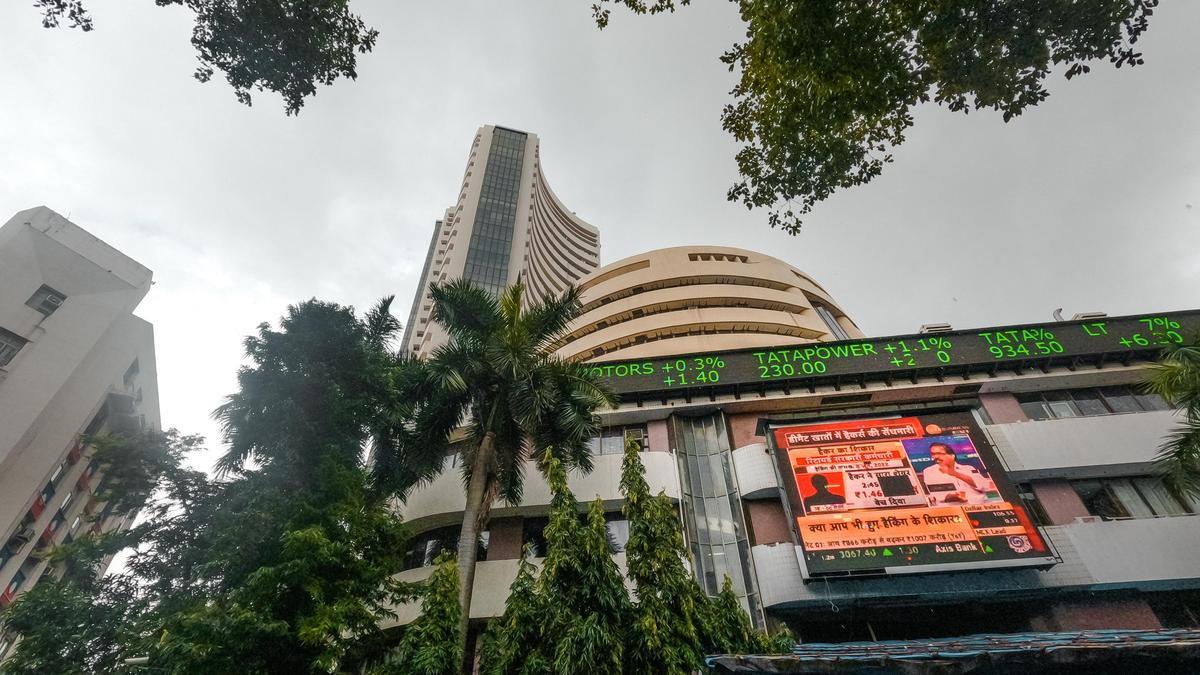
Sensex ends lower after a choppy session
The 30-share BSE Sensex finished the day down 250.48 points, or 0.30%, settling at 83,627.69. The index swung through a volatile session, hitting an intraday low of 83,262.79, a drop of 615.38 points from the previous close, before recovering some losses by the close.
What happened during the trading session
Trading was marked by sharp swings, with investors alternating between selling pressure and short-covering. Early weakness pushed the index into a deeper decline, but buying interest in parts of the market helped pare losses in the final hours. The net result was a modest close below the previous day, reflecting a day of uncertainty rather than a decisive trend change.
Intraday dynamics
- Opening moves gave way to sustained selling that produced the session low of 83,262.79.
- Late-session recoveries trimmed the intraday fall, but the Sensex still ended lower by 250.48 points.
- Volume and volatility picked up at several points, suggesting active repositioning by traders.
Why markets were volatile
Volatility in a single session can stem from several overlapping factors. Profit-taking after recent gains, uneven global cues, shifting foreign investor flows and reactions to macroeconomic data often combine to create choppy price action. In such an environment, even small news items or intra-day changes in market sentiment can amplify moves.
When markets trade nervously, large-cap names often lead the swings because they carry the biggest weight in the index. That can make headline indices like the Sensex appear more volatile than underlying fundamentals might suggest.
Impact on investors and portfolios
A day like this is a reminder that short-term market swings are normal. For longer-term investors, a single session’s decline typically does not justify major portfolio changes unless it follows a clear change in fundamentals. Traders and short-term investors, however, may use such volatility to adjust positions, set tighter stops or take advantage of intra-day mispricings.
Practical takeaways
- Review portfolio exposure to large-cap stocks that can drive index moves.
- Use stop-losses or defined exit plans if you are trading on shorter timeframes.
- Keep an eye on global markets and scheduled economic data that can influence sentiment.
What to watch next
Key near-term signals to monitor include whether the Sensex can hold above the current closing level of 83,627.69 or if it revisits intraday lows around 83,262.79. Investors should also watch global equity trends, bond yields, currency moves and any upcoming corporate earnings or policy announcements that could sway market sentiment.
In a volatile environment, maintaining diversification and a disciplined approach—aligned with your risk tolerance and investment horizon—remains the most reliable strategy.