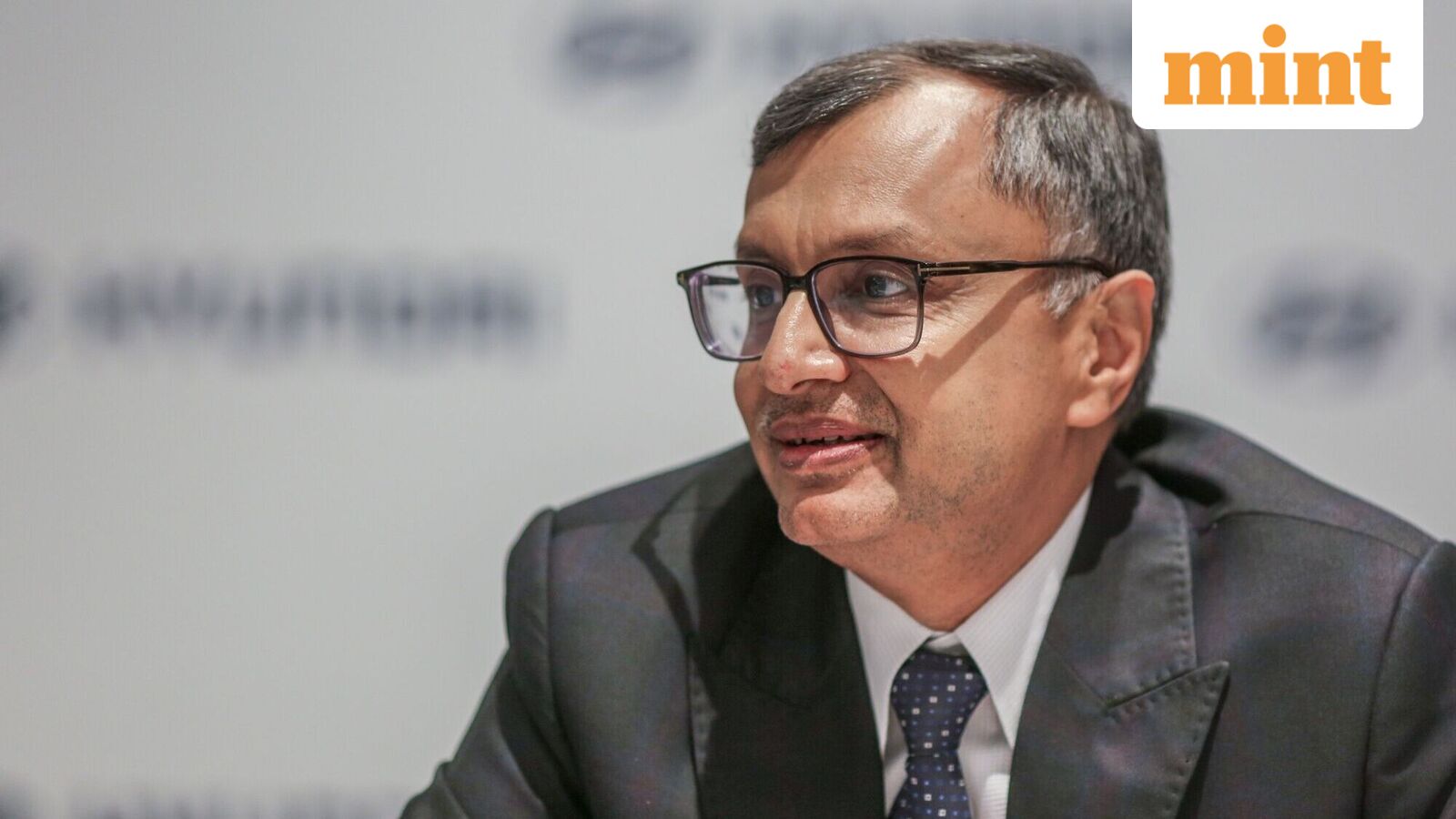
Tarun Garg took charge as Managing Director and Chief Executive Officer on 1 January, stepping into a key leadership role as the company charts its next phase in India. His appointment comes at a pivotal moment for the automotive industry, with electrification, localisation and digital customer experiences shaping market winners. Below are the main directions the company is expected to pursue under his leadership.
Driving an accelerated electric vehicle (EV) push
Electrification will be central to the strategy. The company is likely to accelerate its EV roadmap for India, focusing on a broader range of electric models across affordable and premium segments. Key priorities will include:
- Affordable mass-market EVs: Bringing down costs through local sourcing and simplified architectures to expand EV adoption beyond urban premium buyers.
- Model diversity: Launching multiple EV body styles—compact hatchbacks, SUVs and MPVs—to cater to varied Indian needs.
- Charging ecosystem: Working with public and private partners to expand charging infrastructure and offer convenient home and workplace charging solutions.
Hybrid and ICE strategy during transition
While EVs gain momentum, internal-combustion-engine (ICE) and hybrid vehicles will remain important for several years. Expect a dual-track approach:
- Improved efficiency: Upgrading ICE platforms with lighter materials and more efficient powertrains to meet tightening emission norms.
- Hybrids as a bridge: Introducing or expanding hybrid options to provide lower-emission choices that require less infrastructure than full EVs.
Stronger localisation and manufacturing capacity
To make vehicles more affordable and resilient to global supply shocks, localisation will be a priority. Actions likely to be taken include:
- Local sourcing: Increasing procurement from Indian suppliers for components, electronics and battery packs where feasible.
- Investing in plants: Expanding or upgrading manufacturing facilities to handle both ICE and EV production efficiently.
- Export competitiveness: Leveraging cost-competitive manufacturing in India to boost exports to emerging markets.
Retail experience and aftersales focus
Customer experience—from showroom to service bay—will shape brand preference. Under the new leadership, the company will likely push for:
- Digital retailing: More seamless online buying journeys, omnichannel sales and virtual showrooms.
- Service excellence: Faster turnaround times, transparent pricing and predictive maintenance using connected-car data.
- Network expansion: Strengthening dealer reach in smaller towns and improving service footprint to support growing EV adoption.
Software, connectivity and mobility services
Vehicles are becoming platforms for software-driven features. The company is expected to invest in connected services and in-vehicle software to differentiate offerings:
- Connected car features: Navigation, OTA updates, remote diagnostics and in-car apps tailored to Indian users.
- Mobility solutions: Exploring subscription models, car-as-a-service and partnerships for last-mile and shared mobility.
- Data-driven improvements: Using telematics data to refine products, personalise services and improve safety.
Sustainability and localisation of the supply chain
Environmental targets and regulatory pressures mean sustainability will be a business priority. Likely steps include:
- Green manufacturing: Reduced carbon footprint at plants through renewable energy and energy-efficient processes.
- Battery supply chain: Working with partners to secure sustainable battery materials and explore recycling and repurposing.
- Supplier engagement: Helping local suppliers meet sustainability and quality standards to build a reliable ecosystem.
Challenges and opportunities ahead
The road won’t be without challenges. High upfront costs for EVs, charging infrastructure gaps, and pricing pressure in a value-conscious market all require careful management. At the same time, India’s growing vehicle demand, rising urbanisation and government incentives for EV adoption offer substantial opportunity.
What success will look like
Under the new MD & CEO, success will likely mean a stronger, more locally rooted product lineup, clear leadership in entry-level EVs, improved customer satisfaction, and sustained export growth. Balancing short-term profitability with long-term investments in electrification and digitalisation will be key.
Tarun Garg’s early months will be closely watched by industry observers, suppliers and customers alike, as he sets priorities and implements plans that could shape the company’s next decade in India.