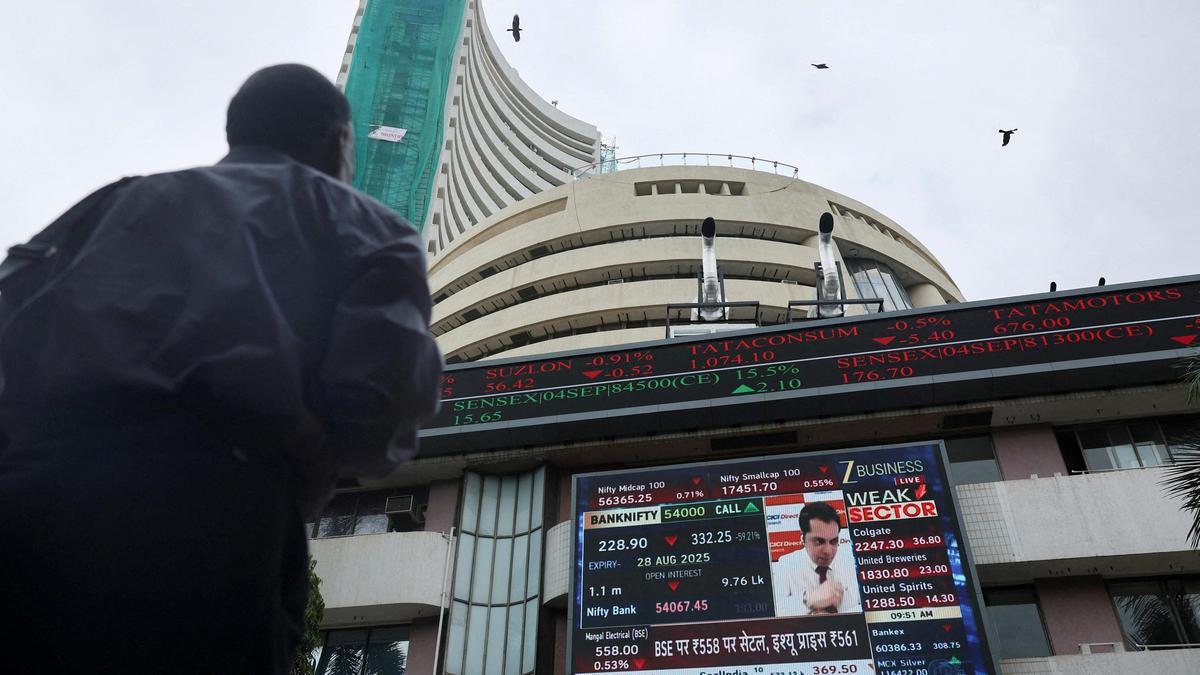
Large-cap sell-off trims valuations — SBI the worst hit
Stocks of several marquee companies experienced a notable erosion in market value, with state-owned bank SBI suffering the deepest setback. Other heavyweights that recorded significant valuation dips include Reliance, TCS, ICICI Bank, Bajaj Finance, L&T, and LIC. The move pressured index performance and weighed on investor sentiment across sectors.
Which names were affected?
- SBI — the biggest single fall among the major names, reflecting concentrated selling pressure in the banking segment.
- Reliance — impact spread across its energy, retail and digital franchises as investors re-priced the stock.
- TCS — IT heavyweight saw valuation correction amid sector rotation and short-term demand-supply shifts.
- ICICI Bank — private-bank stocks faced selling, adding to pressure on financials overall.
- Bajaj Finance — NBFC valuations adjusted sharply, mirroring tightening sentiment on credit-linked names.
- L&T — engineering and construction exposure left the stock sensitive to macro and order-flow concerns.
- LIC — the insurer’s valuation was trimmed as investors reassess state-owned and regulated financials.
Possible drivers behind the dip
Several factors can trigger broad valuation corrections in large-cap stocks. While every sell-off has its own mix of causes, common drivers that likely contributed here include:
- Profit-booking after recent gains, prompting short-term exits by traders and some long-only funds.
- Macro uncertainty such as inflation or rate expectations that change discount rates used to value future earnings.
- Sector rotation — flows moving from expensive or cyclical sectors into perceived safer or undervalued trades.
- Global cues — overseas market weakness or policy moves can amplify domestic selling pressure.
- News and corporate updates that shift near-term growth or profitability expectations for specific companies.
What this means for indices and portfolios
Large-cap names carry substantial weight in market indices, so falls in a handful of big stocks can disproportionately drag headline numbers down. For diversified investors, the direct impact depends on allocation:
- Index-tracking funds and ETFs felt an immediate hit through reduced NAVs.
- Concentrated equity holders — especially those overweight in affected names — saw larger portfolio declines.
- Sector-linked portfolios (financials, IT, energy, infra) experienced uneven performance depending on exposure.
Practical steps for investors
Market corrections are uncomfortable but also normal. Consider the following disciplined responses rather than reacting to every headline:
- Reassess goals and time horizon: Short-term volatility is less relevant if your investment horizon is multi-year.
- Check fundamentals: Distinguish between temporary market moves and changes to a company’s long-term prospects.
- Rebalance where needed: Use rebalancing to maintain target asset allocation rather than chasing recent winners.
- Stay diversified: A mix of sectors and asset classes helps cushion concentrated shocks.
- Use systematic investments: SIPs and regular buying protocols can reduce timing risk during volatile phases.
Outlook and what to watch next
Volatility can persist until clearer signals emerge on economic data, corporate earnings, and policy direction. Key indicators to monitor include quarterly results, central bank commentary, macro prints (inflation, growth), and any developments specific to large-cap companies that explain sharp price moves.
For many investors, the best approach is a balanced one: monitor developments, avoid panic selling, and act according to a pre-defined investment plan. Short-term dips can present opportunities for selective buyers, while long-term investors should focus on fundamentals and risk management.